PREDATION
TALES OF NDUTU
Ndutu is renowned as the most picturesque area, especially during the calving season, when captivating wildlife stories unfold. It was five years ago when I first delved into the wonders of Ndutu, and what I encountered surpassed mere marvels.
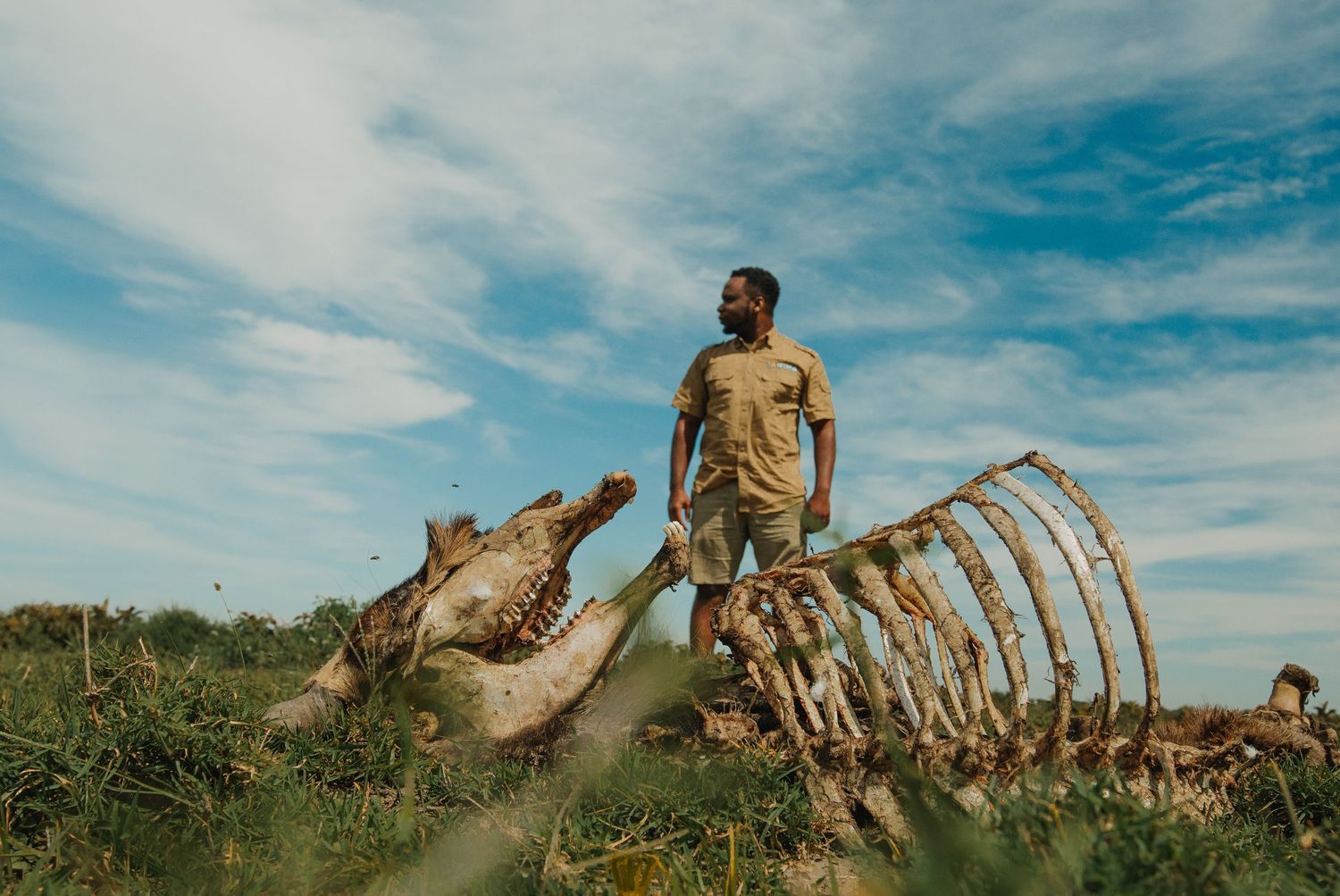
Big cats, big kills
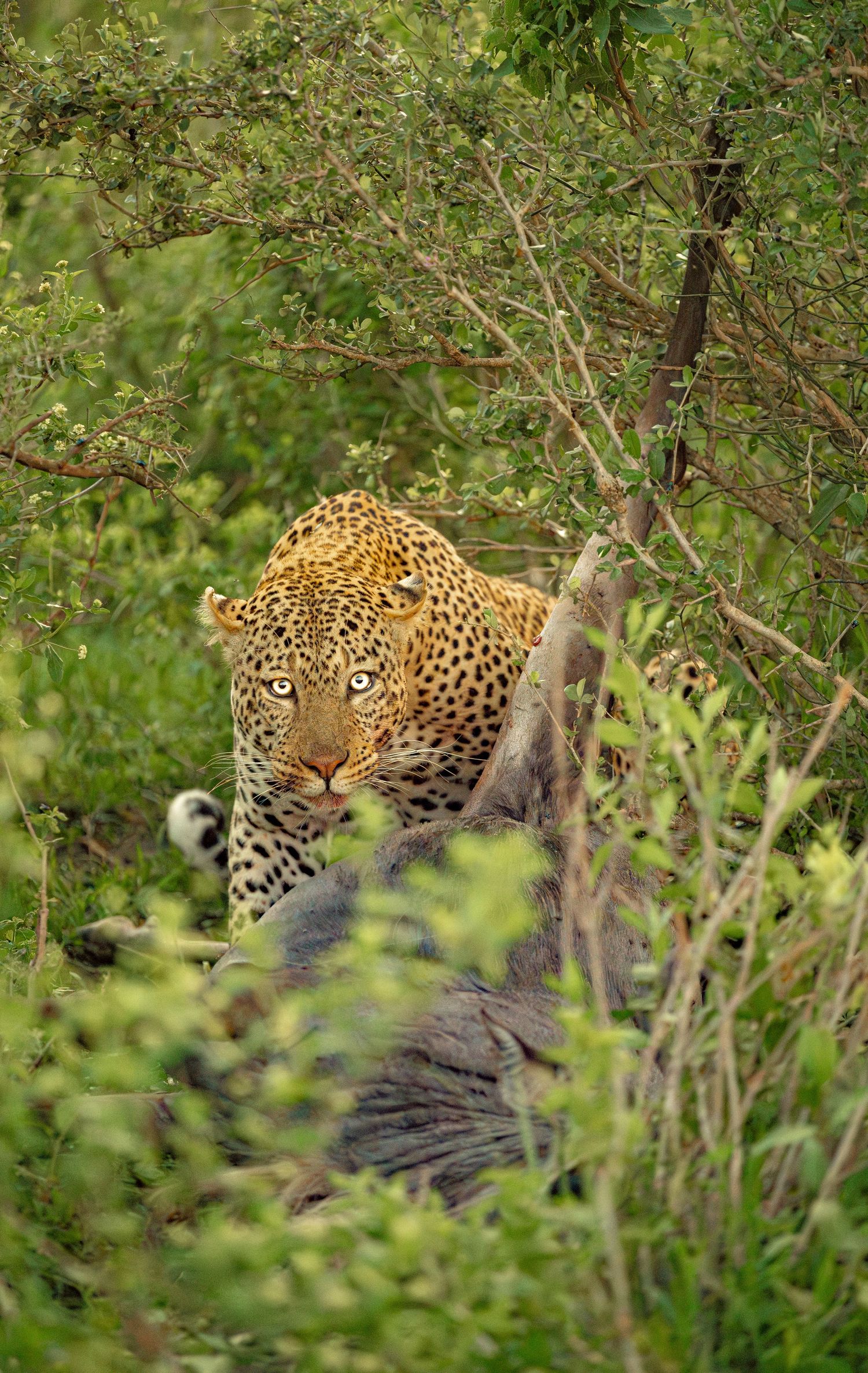
leopard
In a series of events, I came to discover that Ndutu is one of the most crucial areas for big cats such as leopards, lions, and cheetahs, and they play a significant role in balancing the Ndutu ecosystem, especially in regulating herbivore populations. Therefore, the presence of these keystone species is essential for maintaining ecological balance.
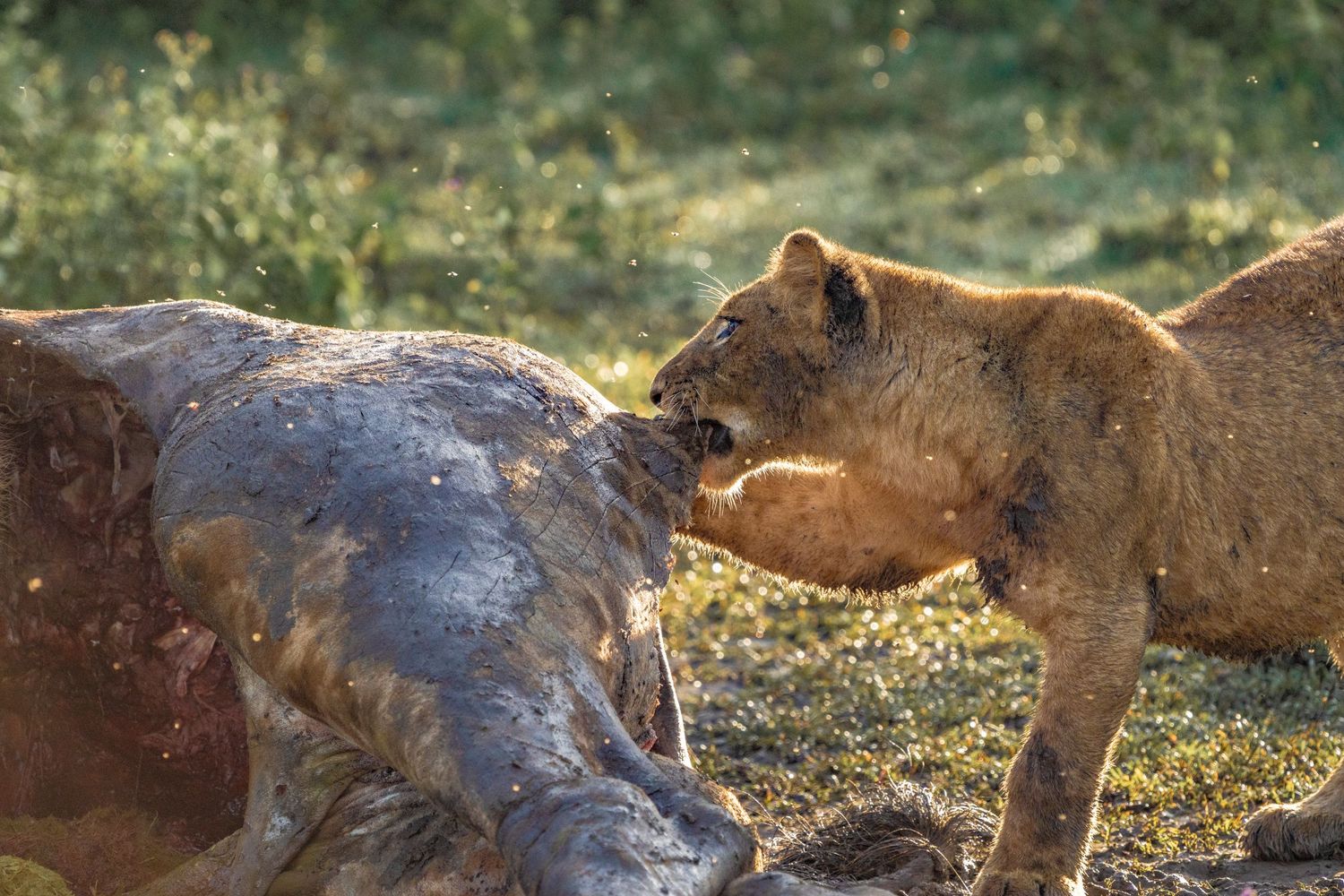
LION PREDATION
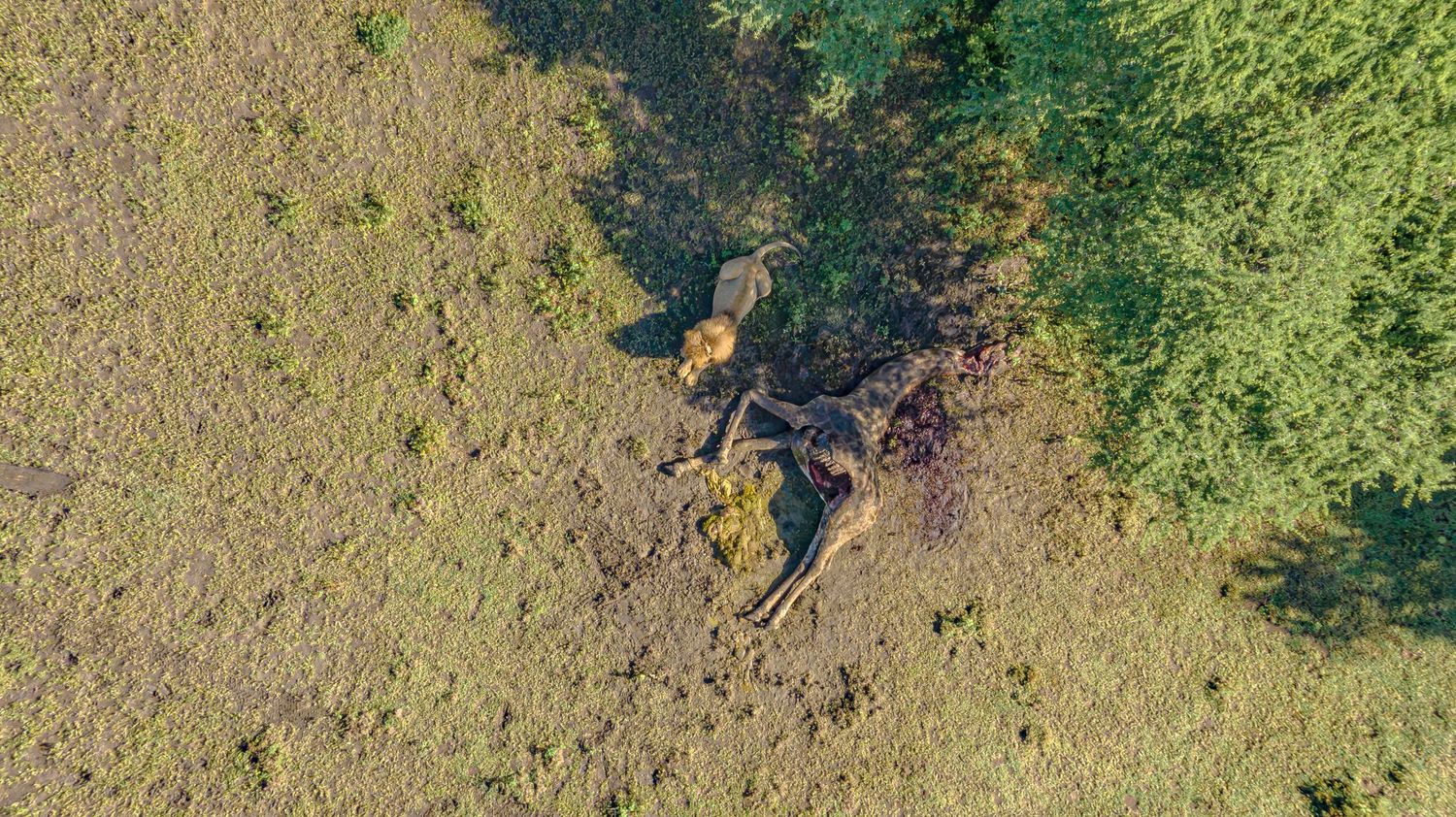
Cubs feasting on Giraffe
I believe it is one of the most exciting events and serves as a lesson for cubs to learn the intricacies of hunting and bringing down larger prey. Witnessing lion cubs eating giraffe meat is true
ly a significant lesson for any lion pride. Their cooperation in helping each other makes the whole experience incredibly impressive.
1 / 3
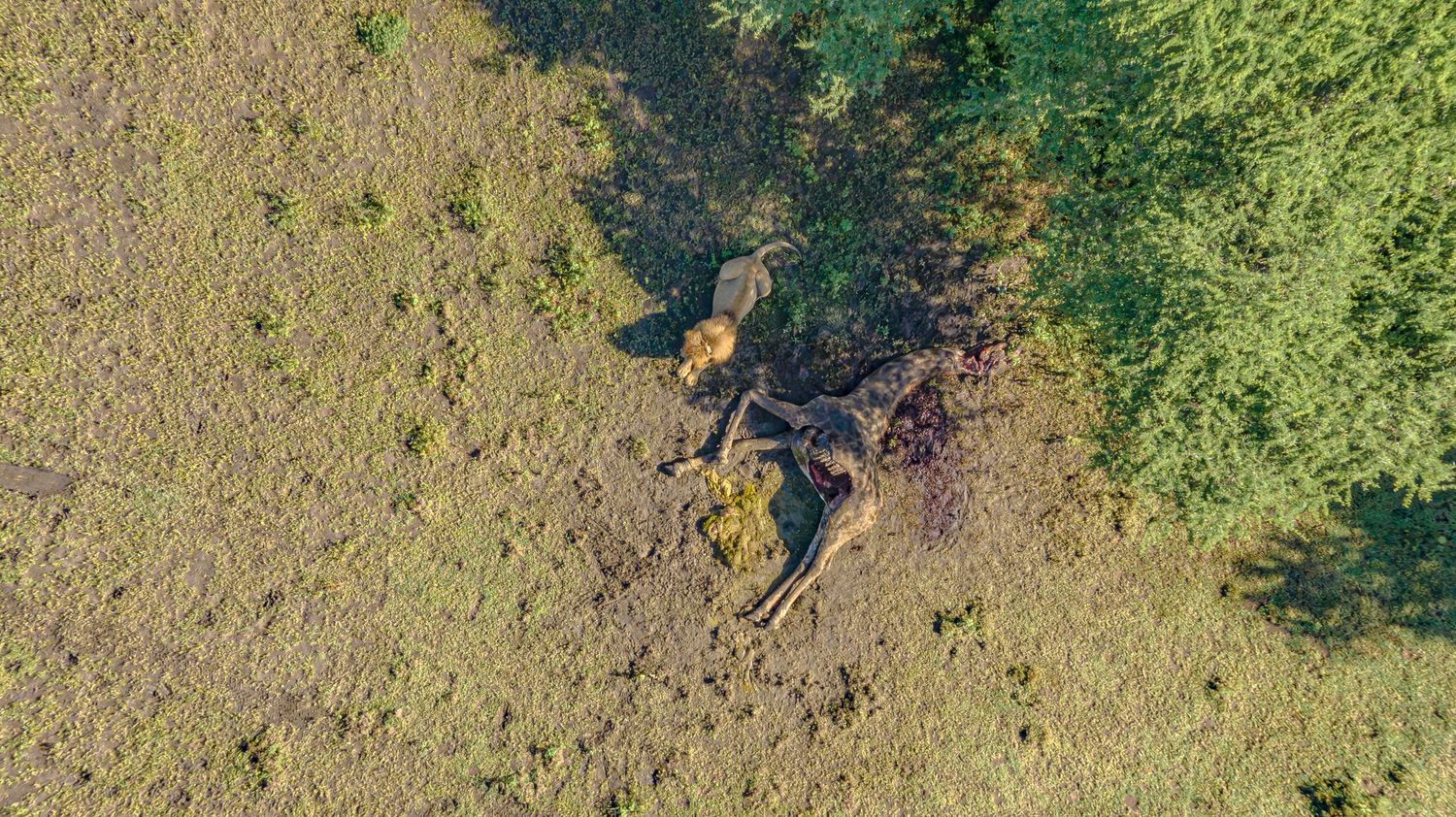
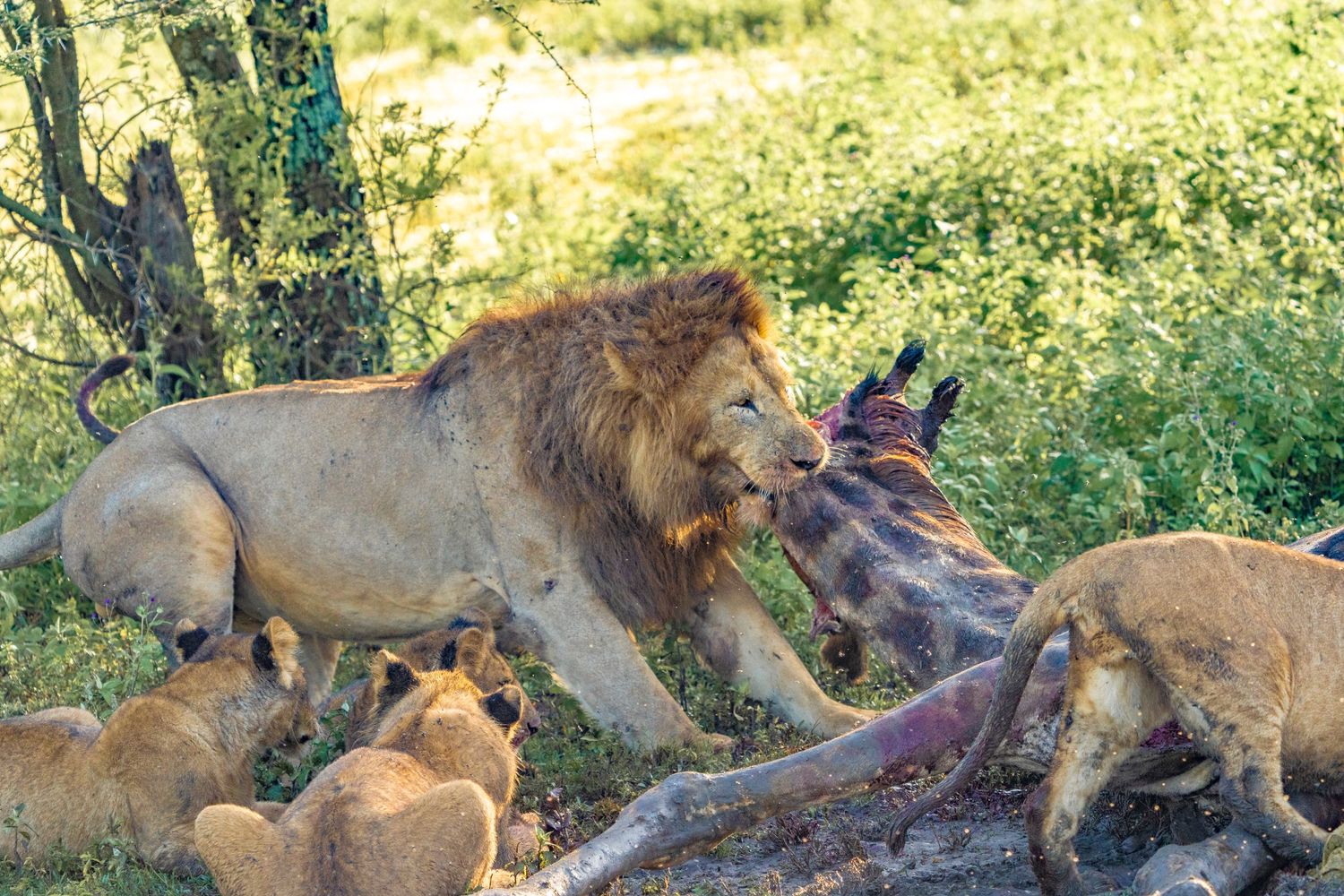
Feasting Video Sequence
This was filmed at Ndutu Conservation Area-Southern Serengeti National Park, shot on Canon c 300 MARK III.with DII Mavic PRO 3 CINE.
https://vimeo.com/925422440?share=copy
Tale of Black Rhino of Mkomazi National Park
RHINO
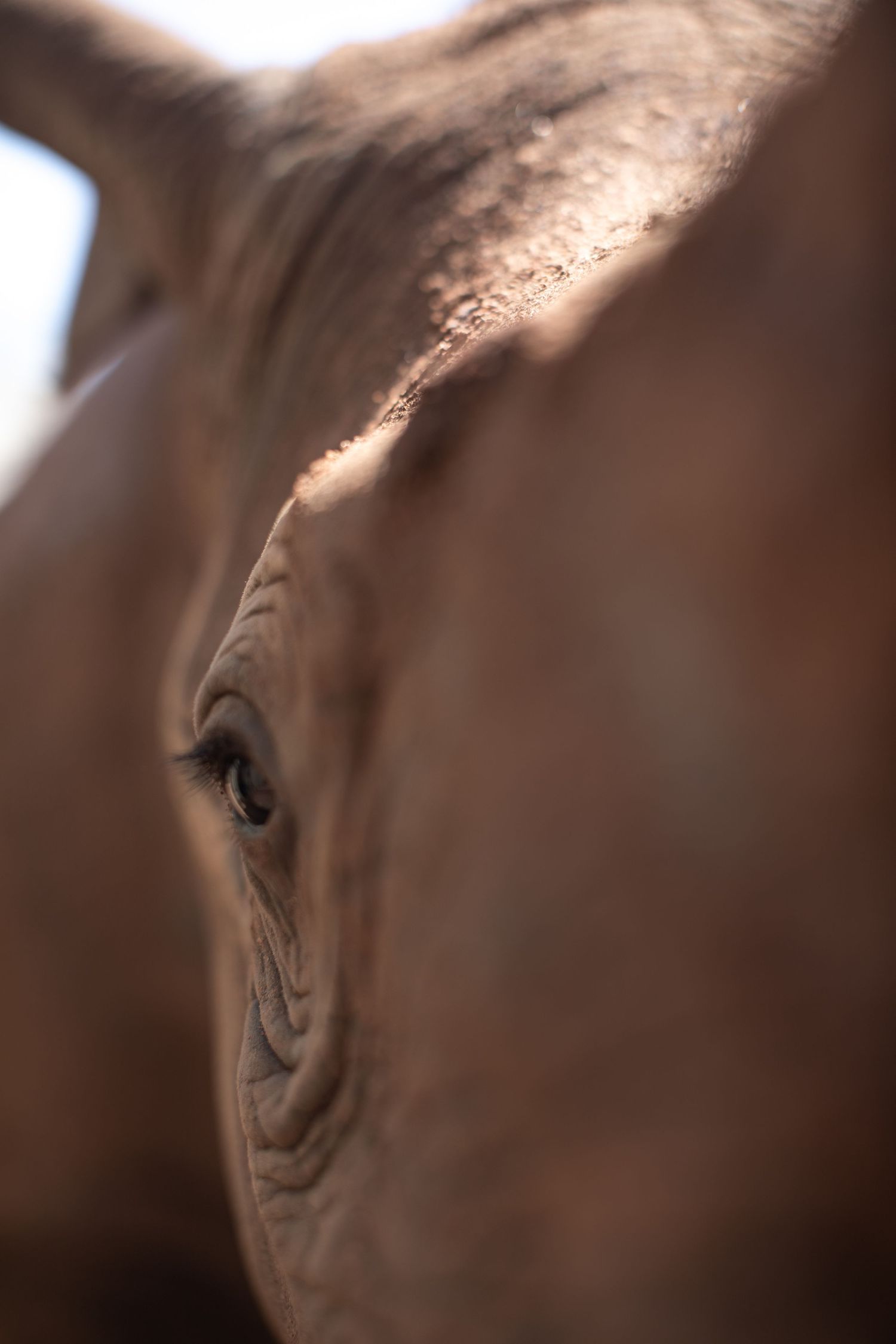
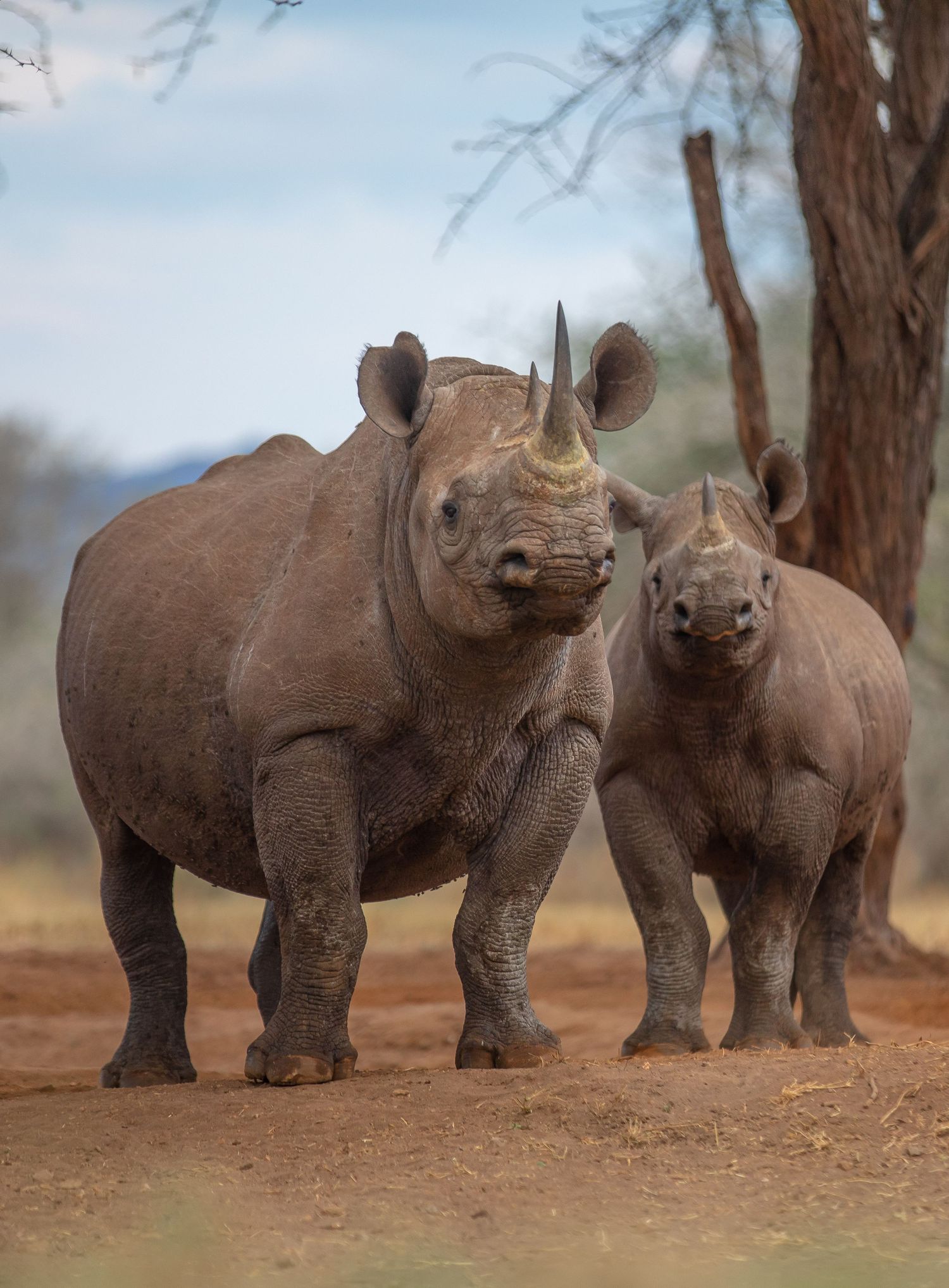
This is the photo story that I felt compelled to write after witnessing how the endangered rhinoceroses are being cared for by Tanzania's conservationists. Their numbers have been steadily increasing under the guardianship of these conservationists, setting an example worth emulating.
01
Mkomazi National Park is among the newly gazetted national parks in Tanzania (2008). It was established as a Game Reserve in 1951 and underwent a lot of challenges including the incursions of pastoralists and intensive poaching. This scenario contributes to the decline of animals and a loss of their habitats. Mkomazi within the Tsavo - Mkomazi ecosystem, which holds over 47000 sq. kilometers, was a home to a large population of elephants and black rhinos.
02
However, the population of black rhino had become extirpated (i.e. locally extinct), and the last animal was seen in 1985. Thereafter, the government began efforts to recover the ecology of the area in 1992, together with British charity, George Adamson Wildlife Preservation Trust and its American sister charity, Tony Fitzjohn.
03
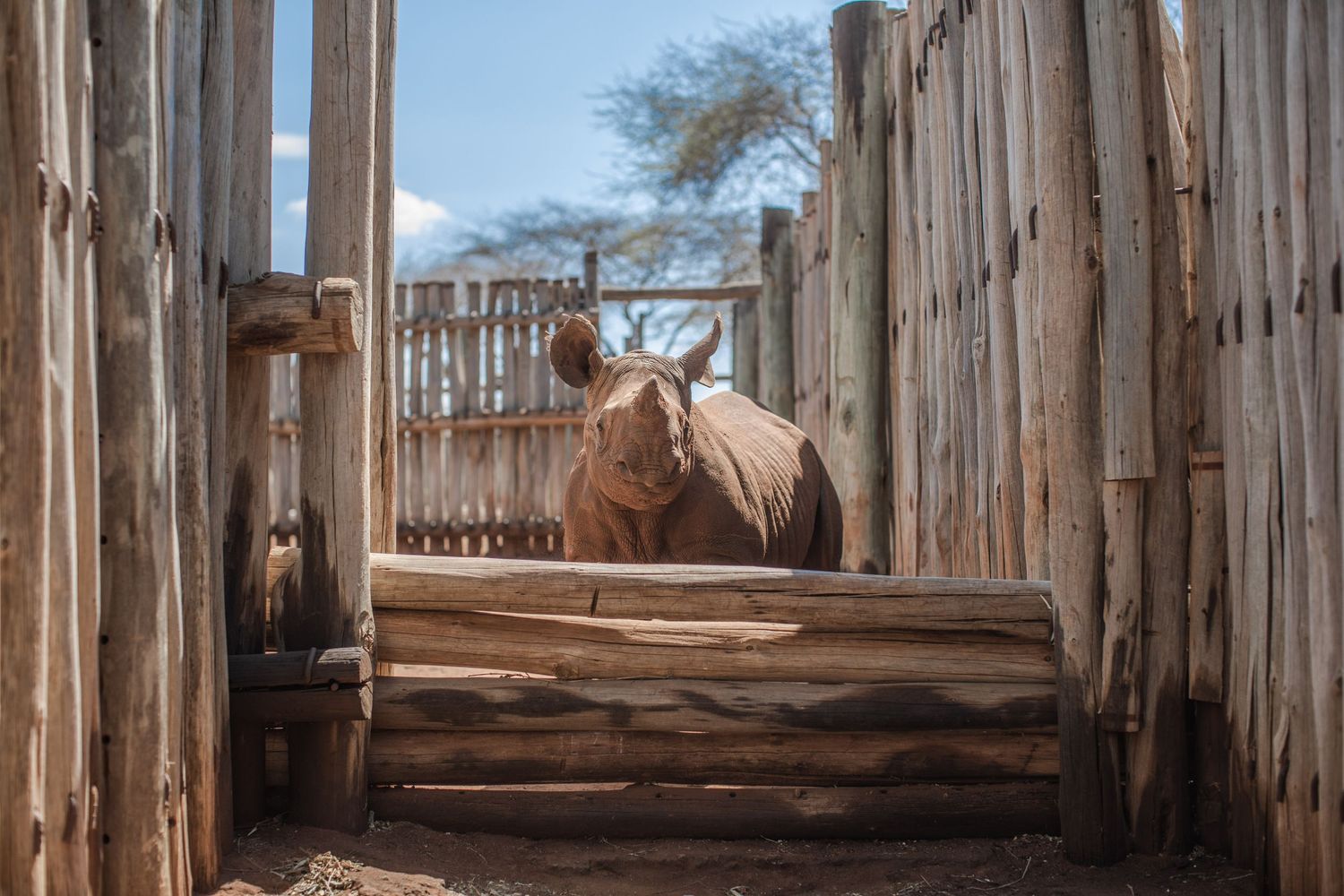
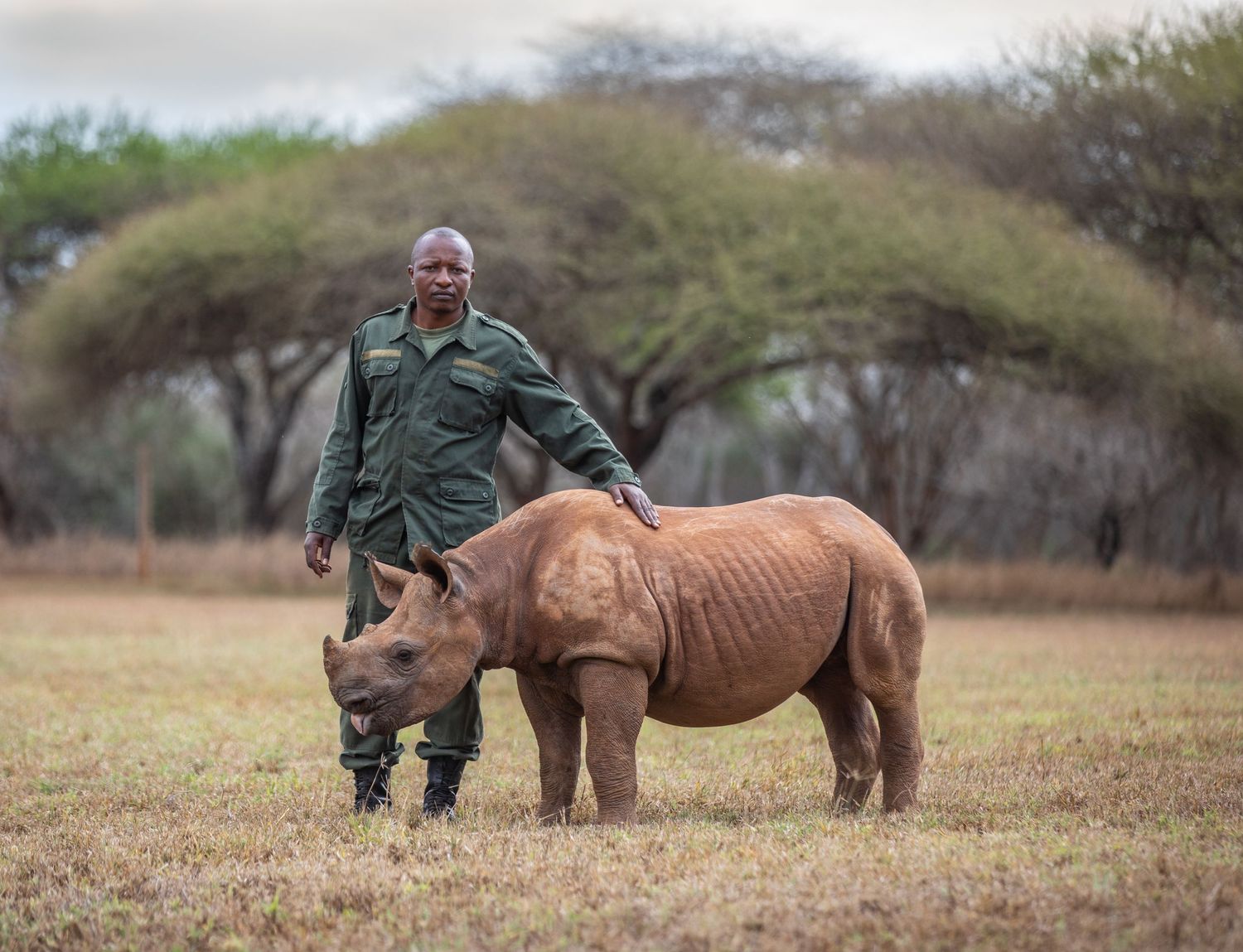
The efforts resulted in a very celebrated success story and in 1997 the rhino breeding sites were first established. Four rhinos were translocated from Addo National Park, South Africa and the number has been increasing to 35 up to date. Another success story is about an orphan baby rhino named Kisima, found in the wild at about 3 months of age. The park management took her to a very protected place within the sanctuary and submitted her to caretakers. Kisima is now 15 months old, very energetic.
04
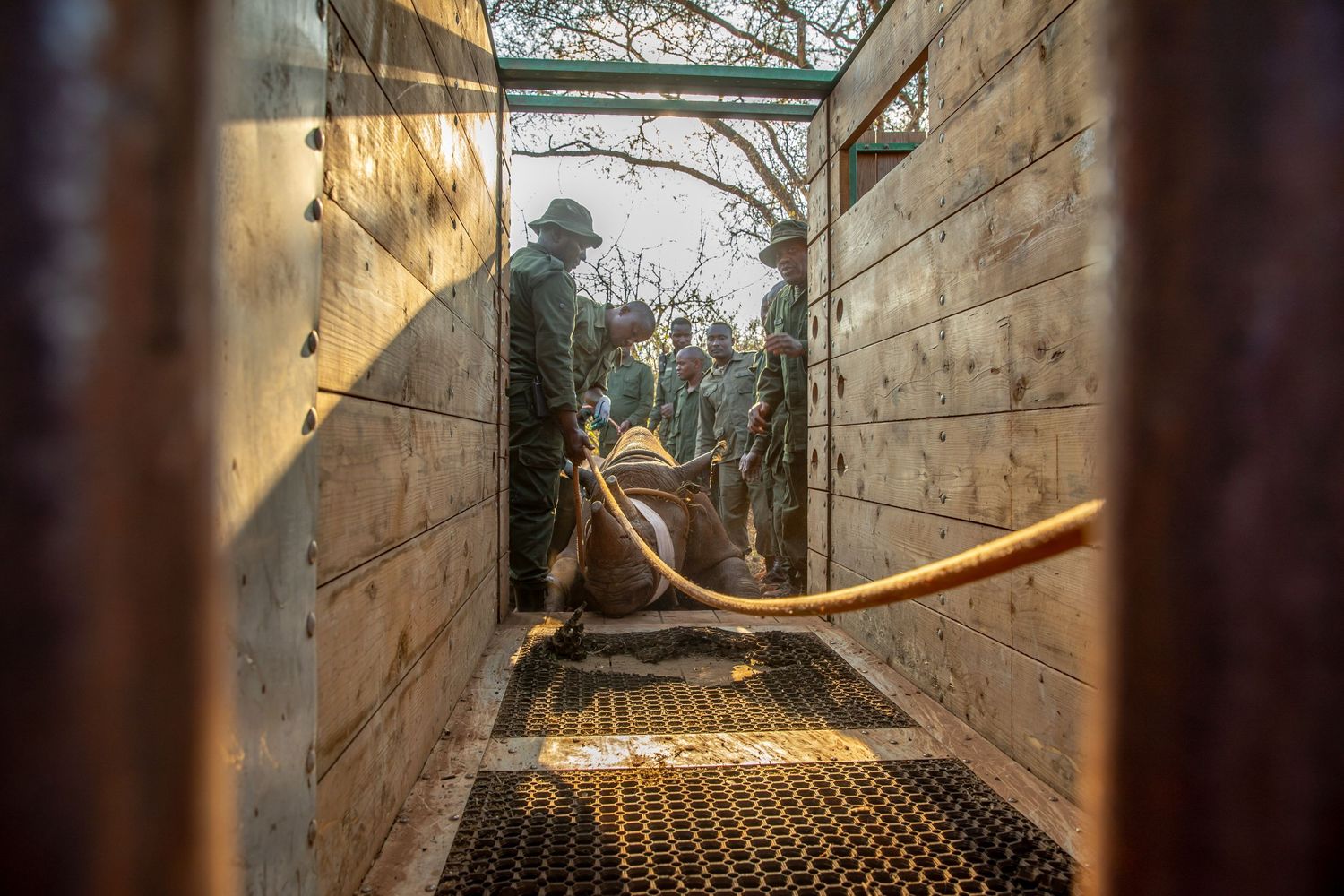
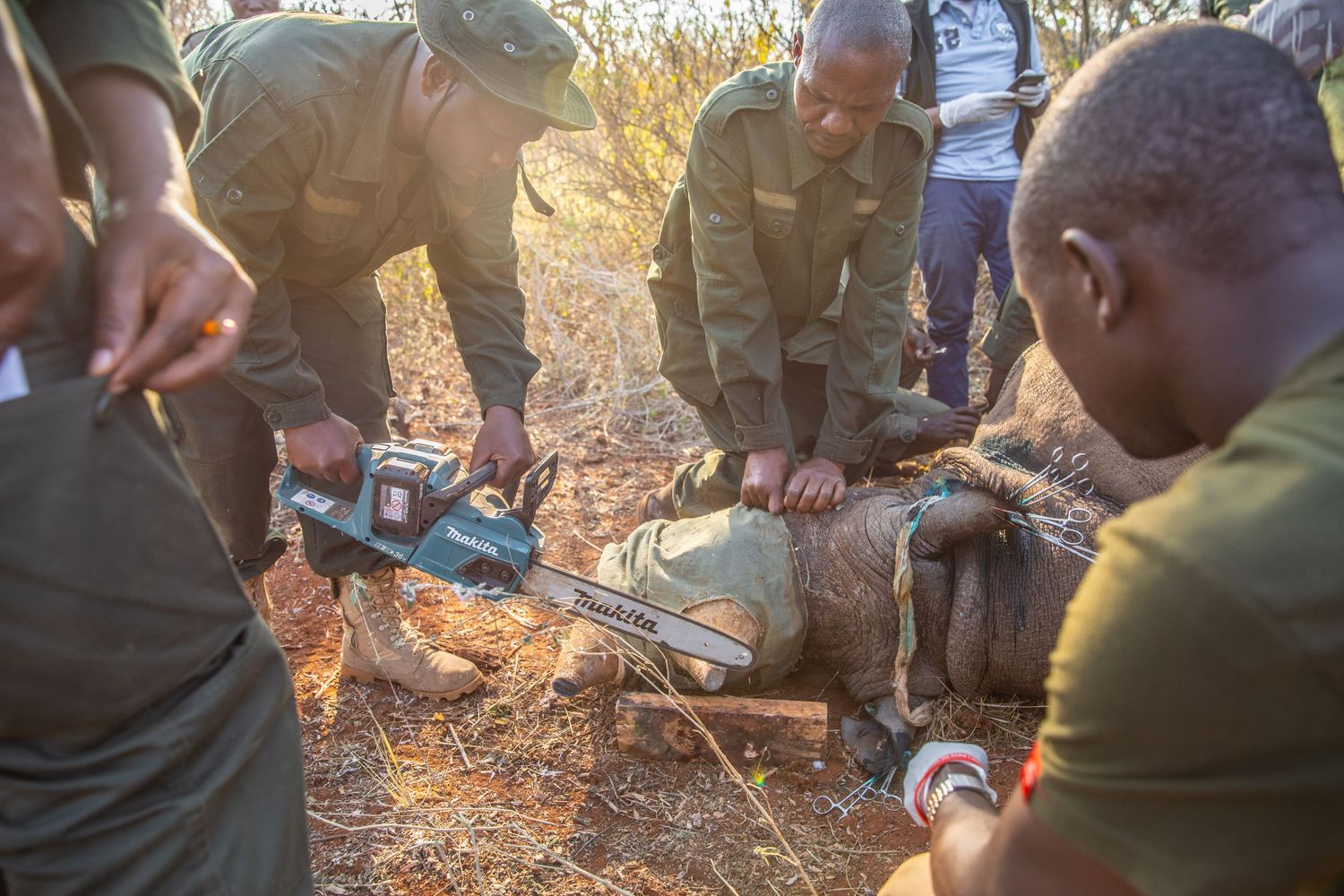
Apart from Kisima's conservation success story, this year on the 7th of July, the Government opened up the new fenced sanctuary of about 20sq. kilometers within the park. Under intensive care of team specialists and veterinarians from Tanzania Parks Management, they have managed to translocate six rhinos from the breeding site to the newly opened site without any problem.
ACCESSING Helping the Needs by NOMAD TRUST
PLASTER HOUSE
The Nomad Trust partners with Plaster House to reach children in remote areas, combining Nomad Trust's expertise in navigating remote regions and connecting with local communities with Plaster House's specialized medical care and rehabilitation services for children with disabilities or surgical needs.
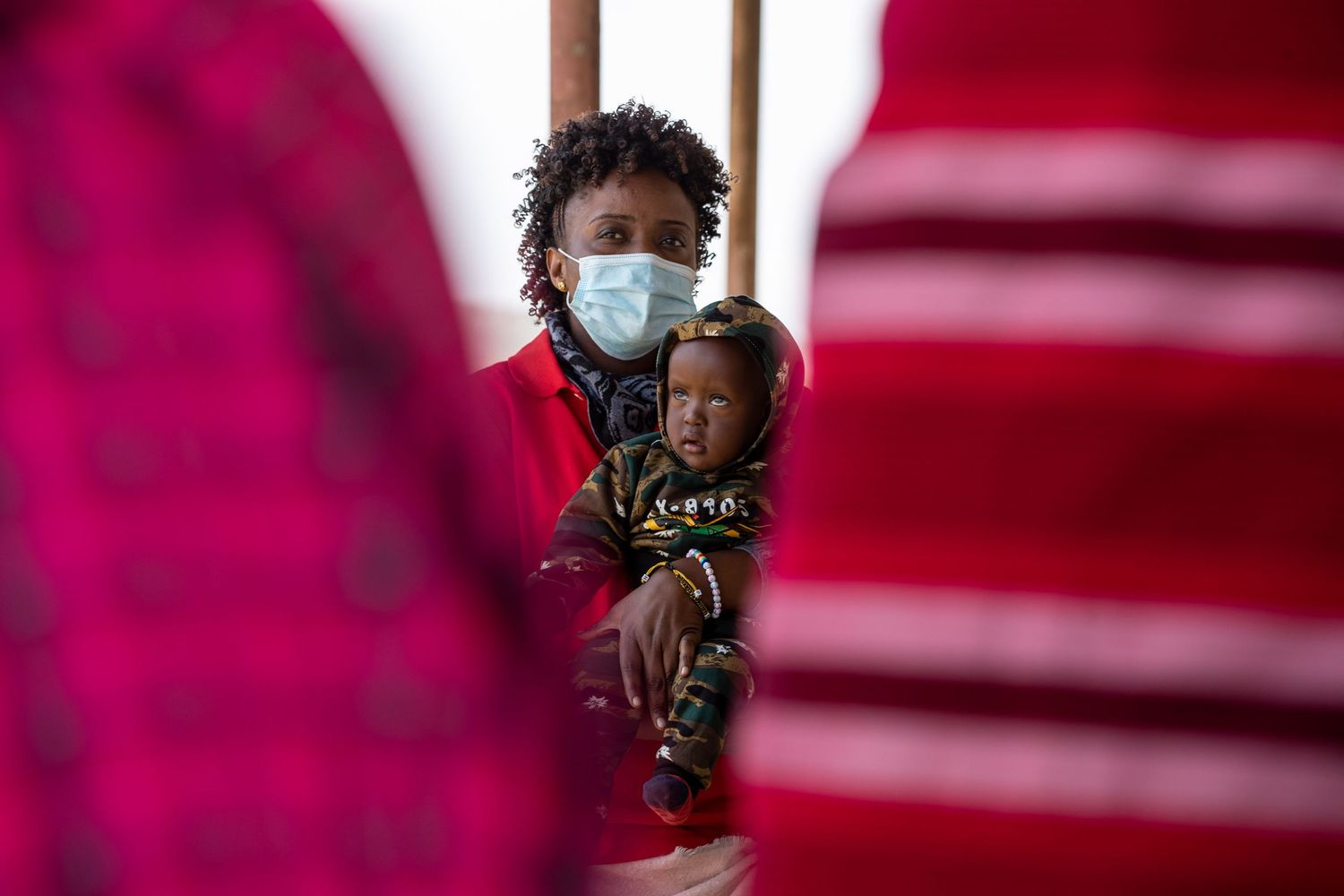
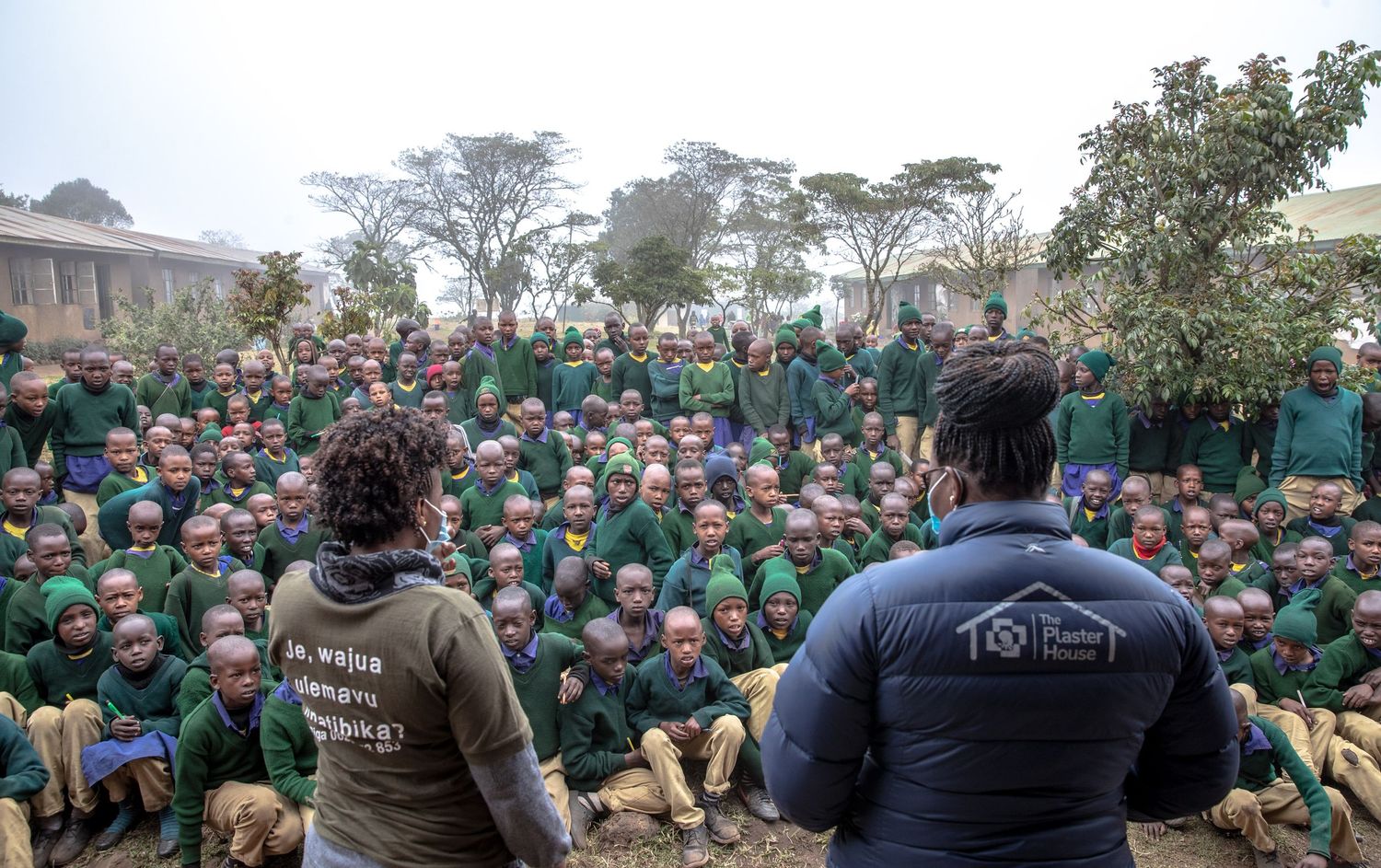
Nomad Trust specializes in navigating remote regions, identifying communities in need, and establishing connections with local leaders and organizations. Meanwhile, Plaster House provides expertise in medical care and rehabilitation for children with disabilities or surgical needs.
In schools identification
Together, they coordinate outreach efforts to identify children in remote areas who require medical attention or rehabilitation services. Nomad Trust facilitates access to these communities by providing transportation, logistical support, and coordination with local authorities. Once identified, Plaster House steps in to provide medical assessments, surgeries, and ongoing care for the children, often in their specialized facility.

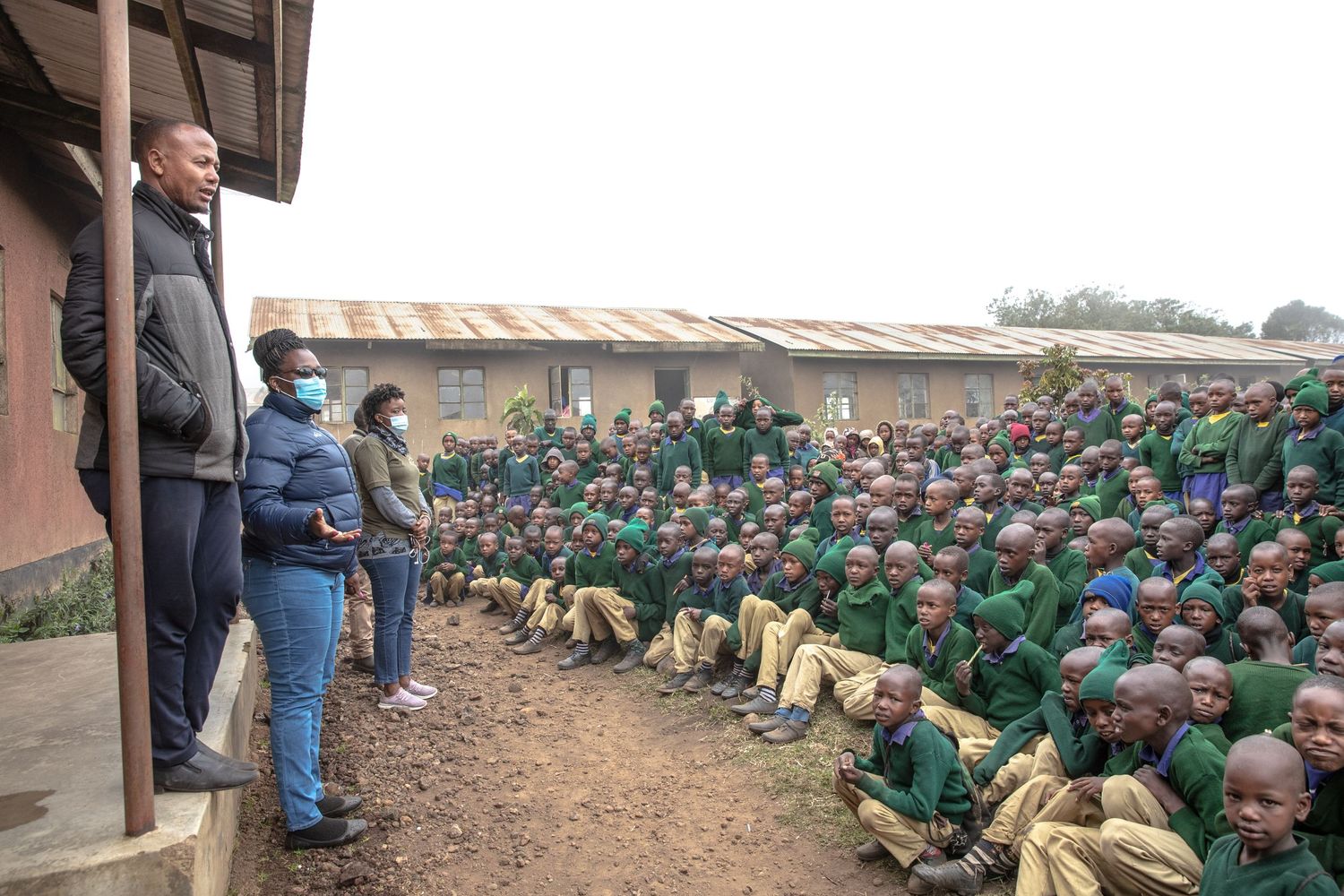
Together with indigenious guides
Nomad Trust and Plaster House may conduct needs assessments and outreach programs in schools to identify children who require medical care, educational support, or other forms of assistance.
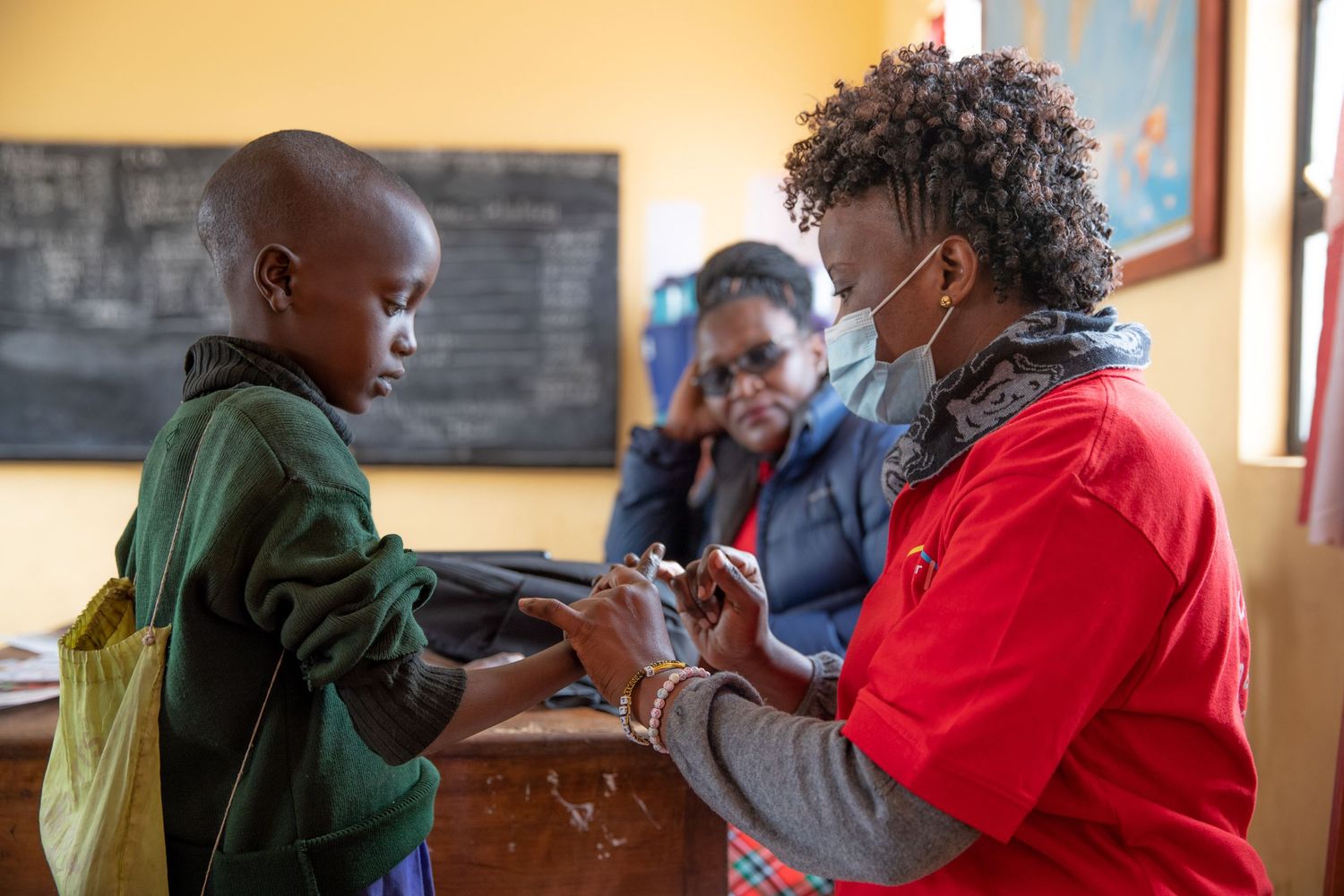
Together with teachers
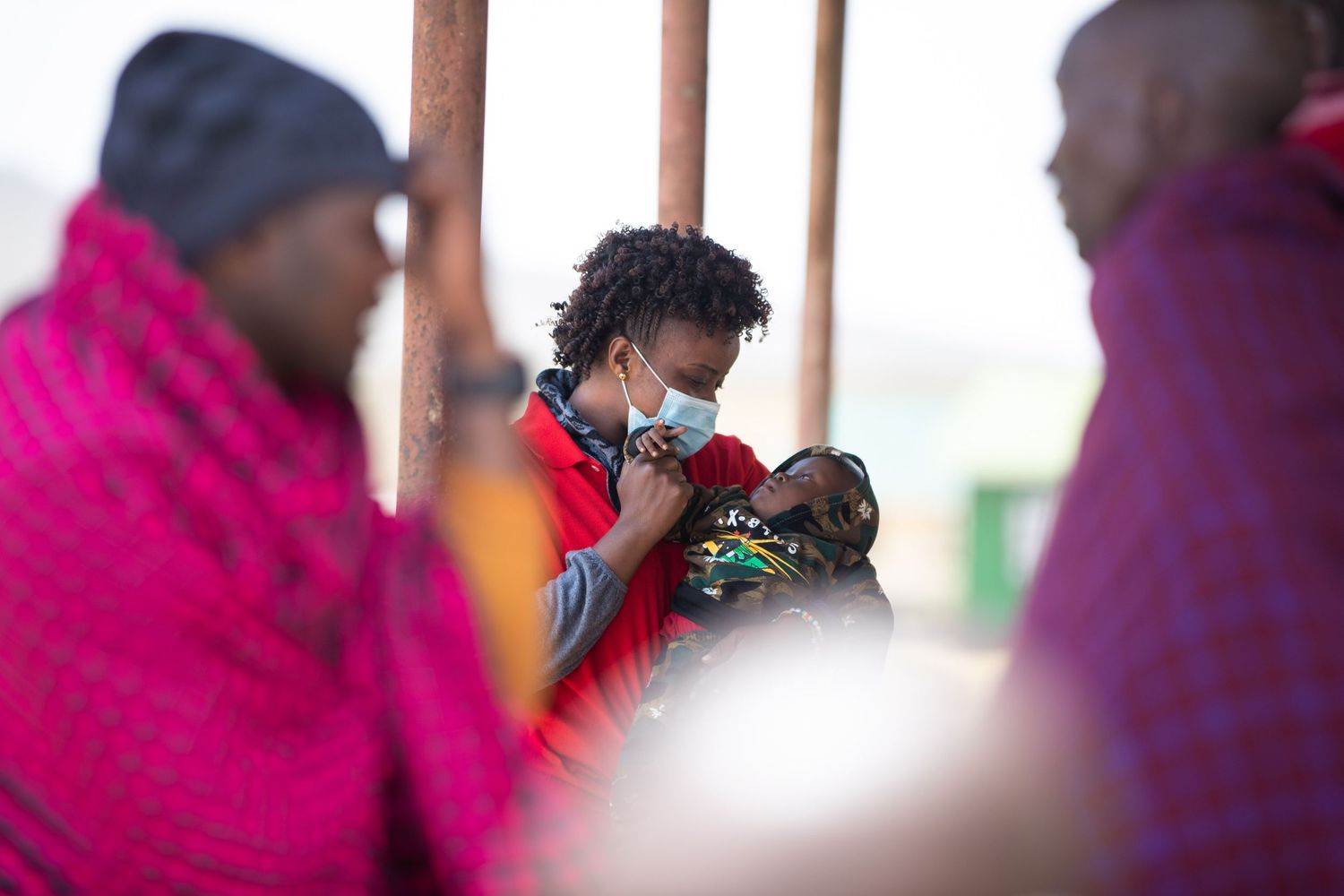
Additionally, they may rely on referrals from local healthcare providers, social workers, or community members who are aware of children in need. Through these collaborative efforts and community engagement, they ensure that support reaches the children who need it most, both in schools and in the wider community.
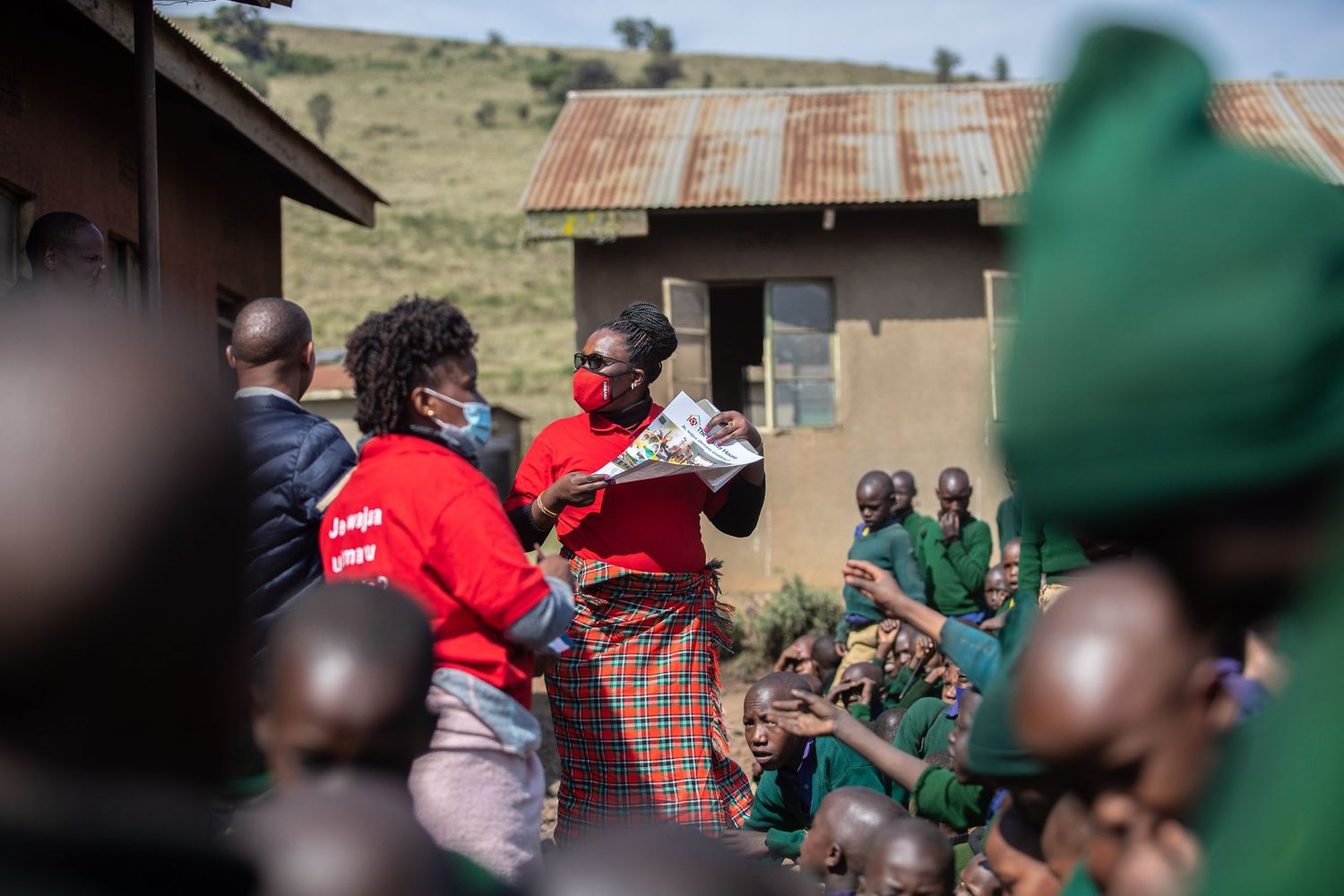
Information sharing
Nomad Trust and Plaster House effectively communicate key information to children in a way that is both entertaining and educational. Additionally, they may conduct interactive workshops or storytelling sessions where they use illustrations to visually demonstrate concepts and engage children in learning activities.
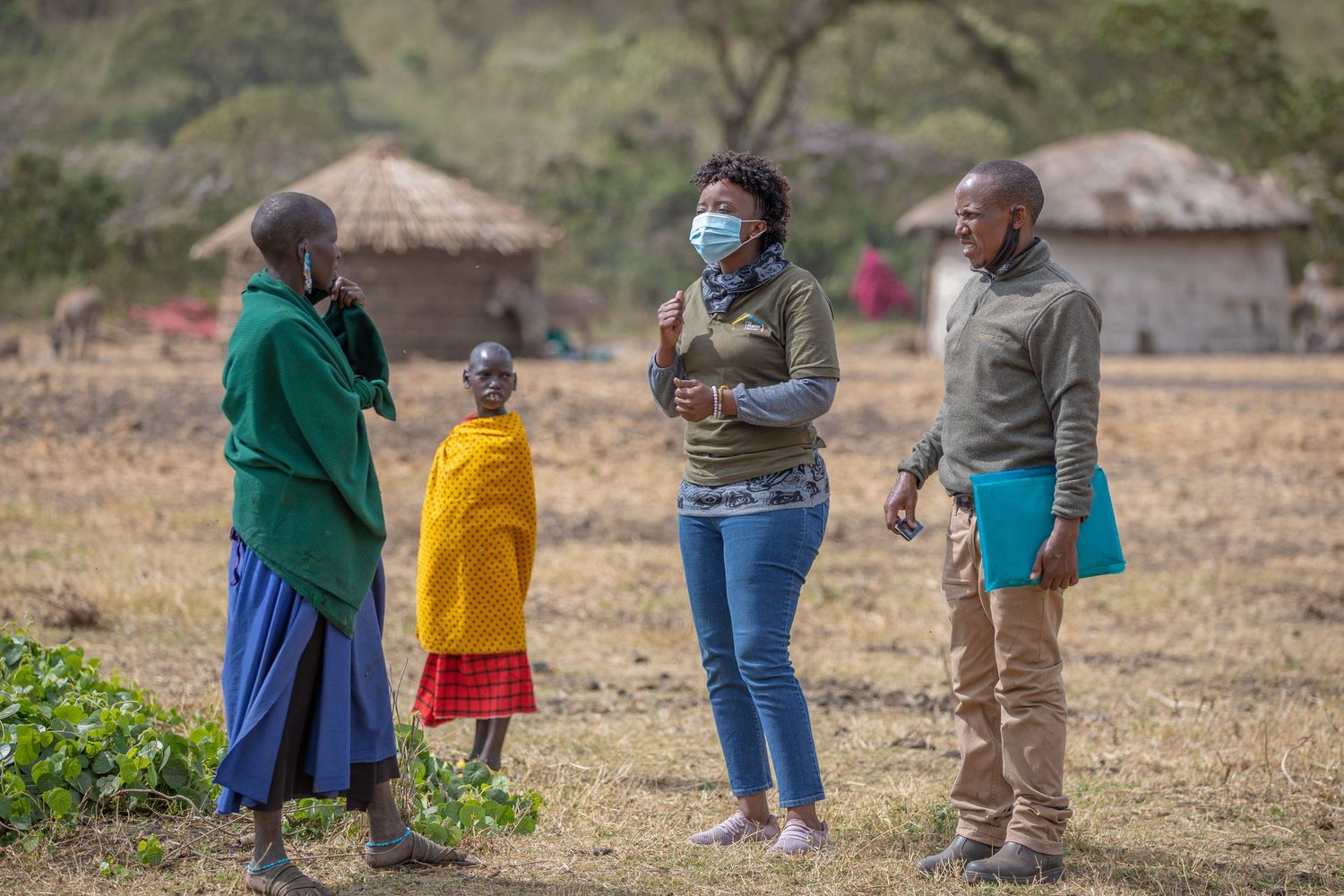
Engagement in Community
Additionally, they may rely on referrals from local healthcare providers, social workers, or community members who are aware of children in need. Through these collaborative efforts and community engagement, they ensure that support reaches the children who need it most, both in schools and in the wider community.
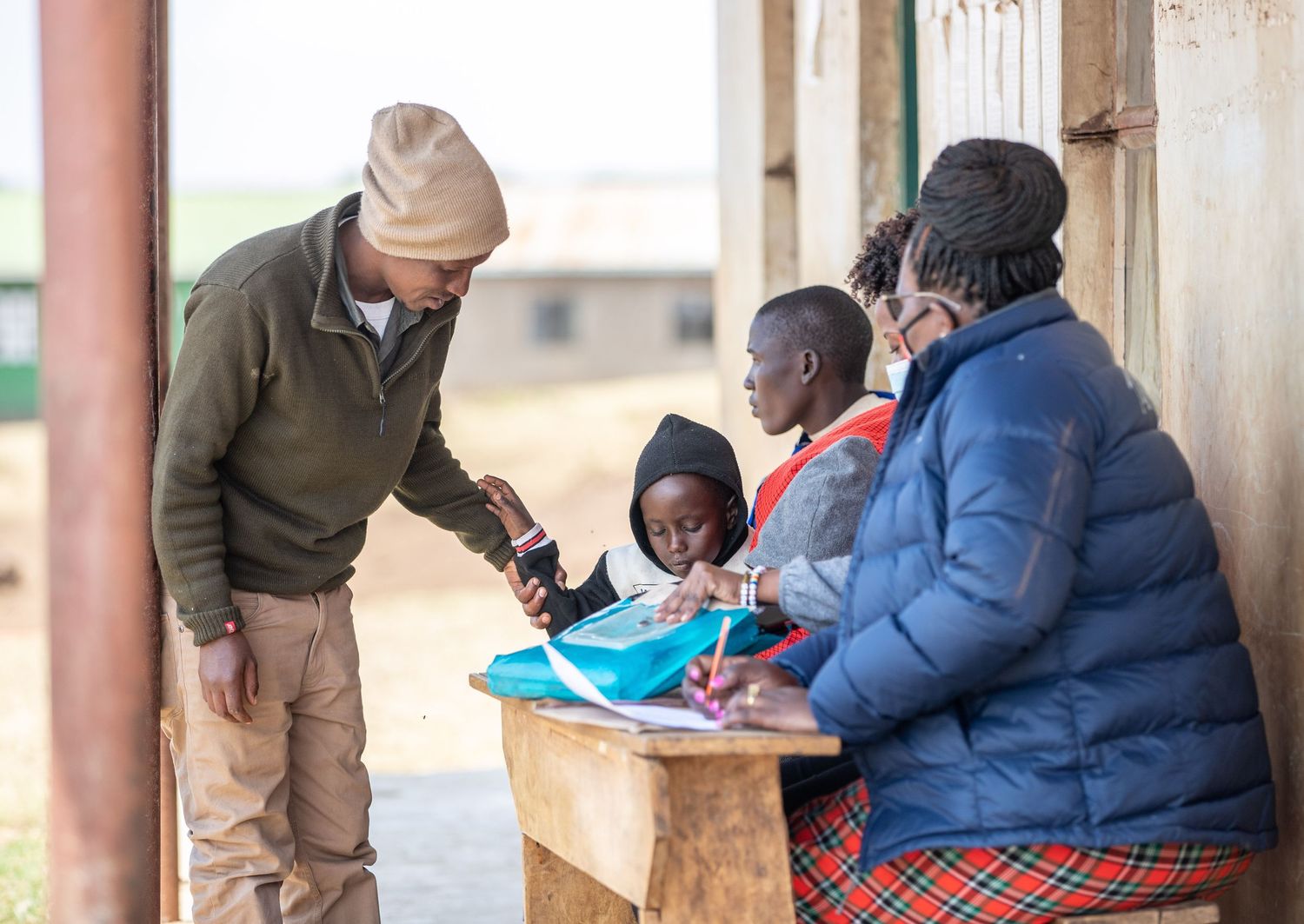
Guides engagement
They ensure the safety and well-being of visitors by navigating through challenging terrain, identifying potential risks, and providing practical advice on outdoor survival skills. Additionally, Nomad guides play a crucial role in educating visitors about conservation principles, sustainable tourism practices, and the importance of respecting local customs and traditions.
ABOUT THE FILM
Secrets of the Eels" stands as a testament to the power of scientific inquiry and the profound impact that a lifetime of dedication can have on our understanding of nature. Guided by the scientist insights, the film invites us to marvel at the wonders of the eels and to reflect on our responsibility to protect the delicate balance of the ecosystems they inhabit.
Thrilled to have directed and shot this impactful conservation film in collaboration with the School of Aquatic Science and Fisheries and @ngoteya_wild, I am deeply invested in its message. The film delves into the intricate realms of both marine and freshwater ecosystems, shedding light on the interconnectedness of life. It's heartening to see how it's creating awareness among communities in East Africa. Through immersive visuals and expert storytelling, "Secrets of the Eels" not only educates but also inspires action. As the director and cinematographer, I aimed to capture the essence of these mysterious creatures and the ecosystems they inhabit, hoping to ignite a sense of wonder and responsibility in every viewer.
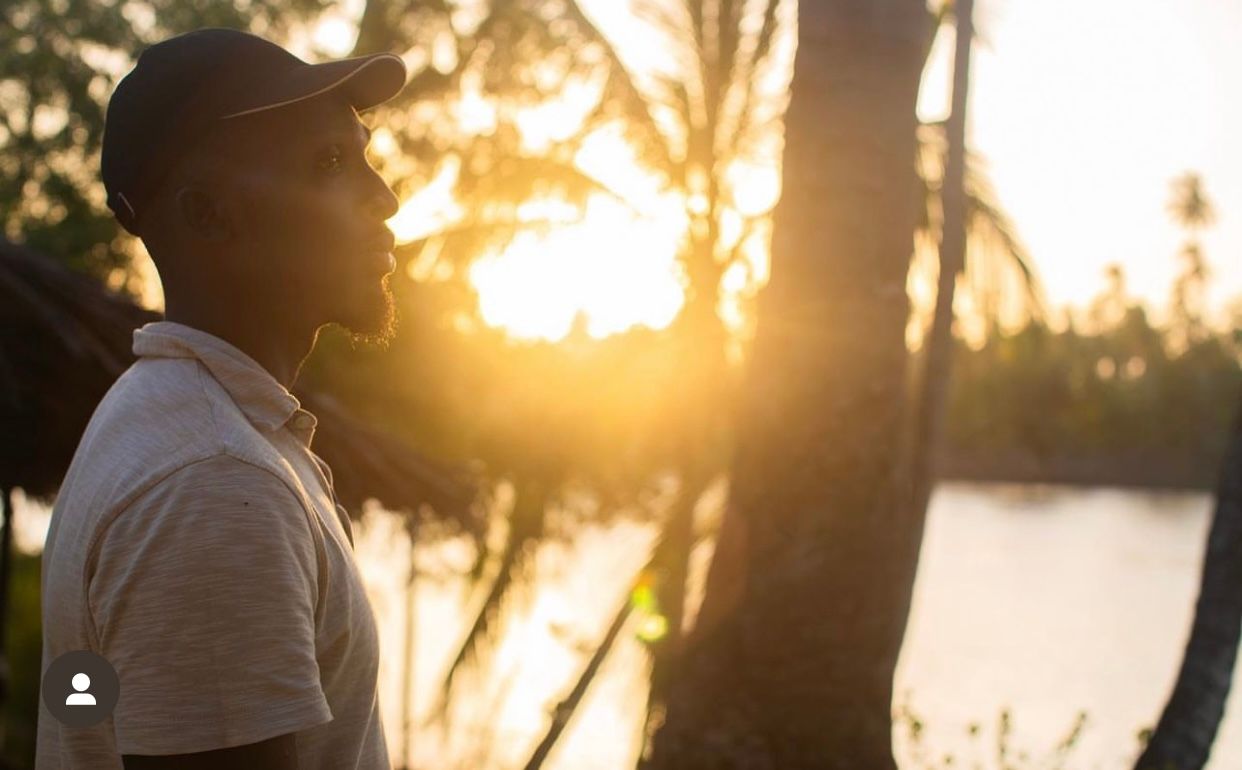
KAIJAGE LAURIAN
SCIENTIST
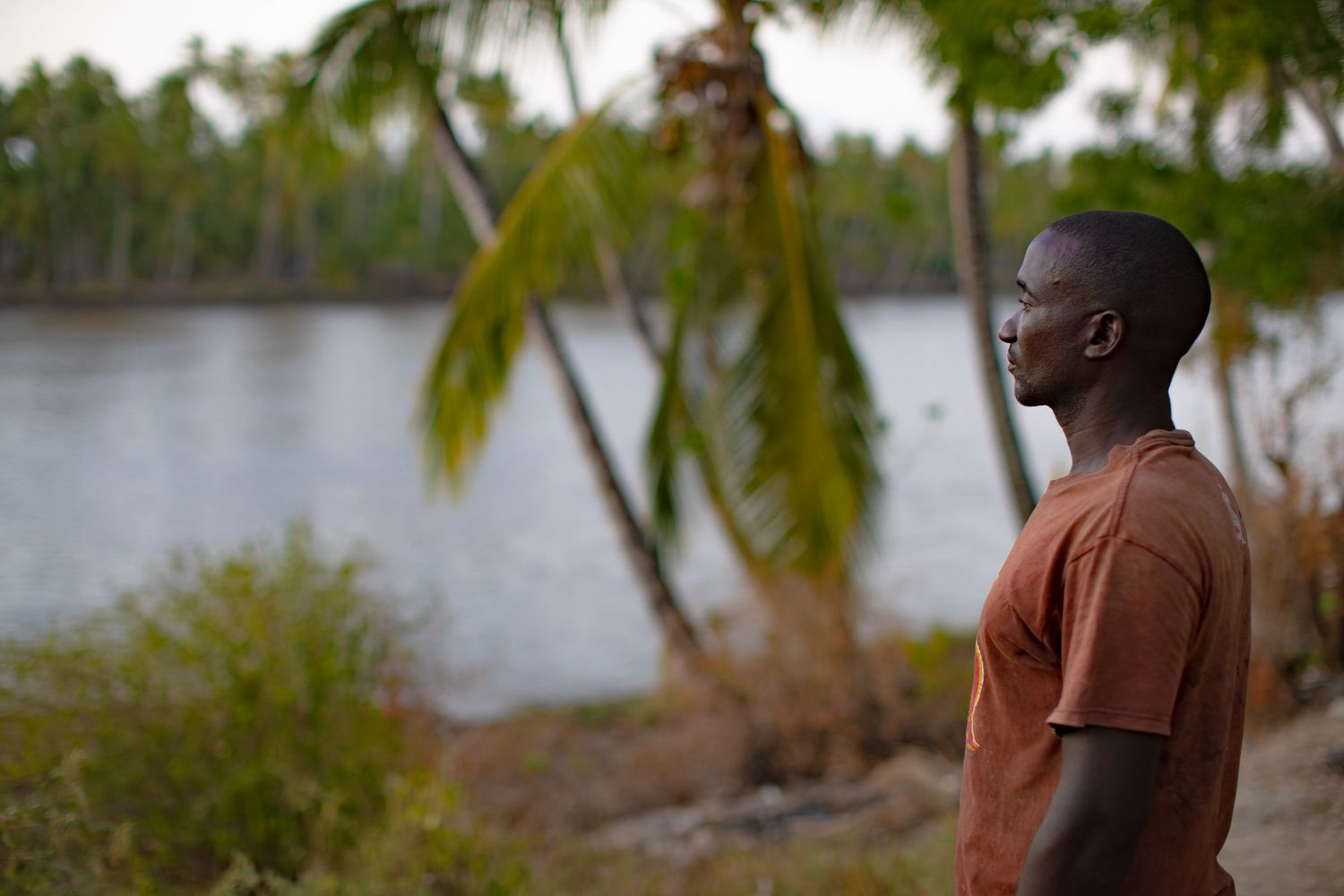
For several years, Kaijage spent his time with local fishermen, alongside other scientists from the University of Dar es Salaam, in an endeavor to unveil the secrets of eel biodiversity, types, and habitats. Their aim was to provide vivid data about eels across the Rufiji and Pangani rivers.
As a marine scientist and researcher of eels in the Western Indian Ocean region, he has discovered that to gather more information about eels, their habitats, biodiversity, and suitable environments, working closely with communities residing along major river estuaries flowing into the sea is the key and easiest way to obtain such information.
FACTS
About 40 anguilliform fish species are found in the waters of Tanzania (families river eels, congers and morays). Some of them are considered endangered. However, little is known about their distribution, ecology and fisheries. In view of the expected population growth and the associated growing anthropogenic impact on the environment, it is urgently necessary to assess the ecological status of water systems in order to be able to specifically designate areas with high biodiversity, which should get a high priority for protection.
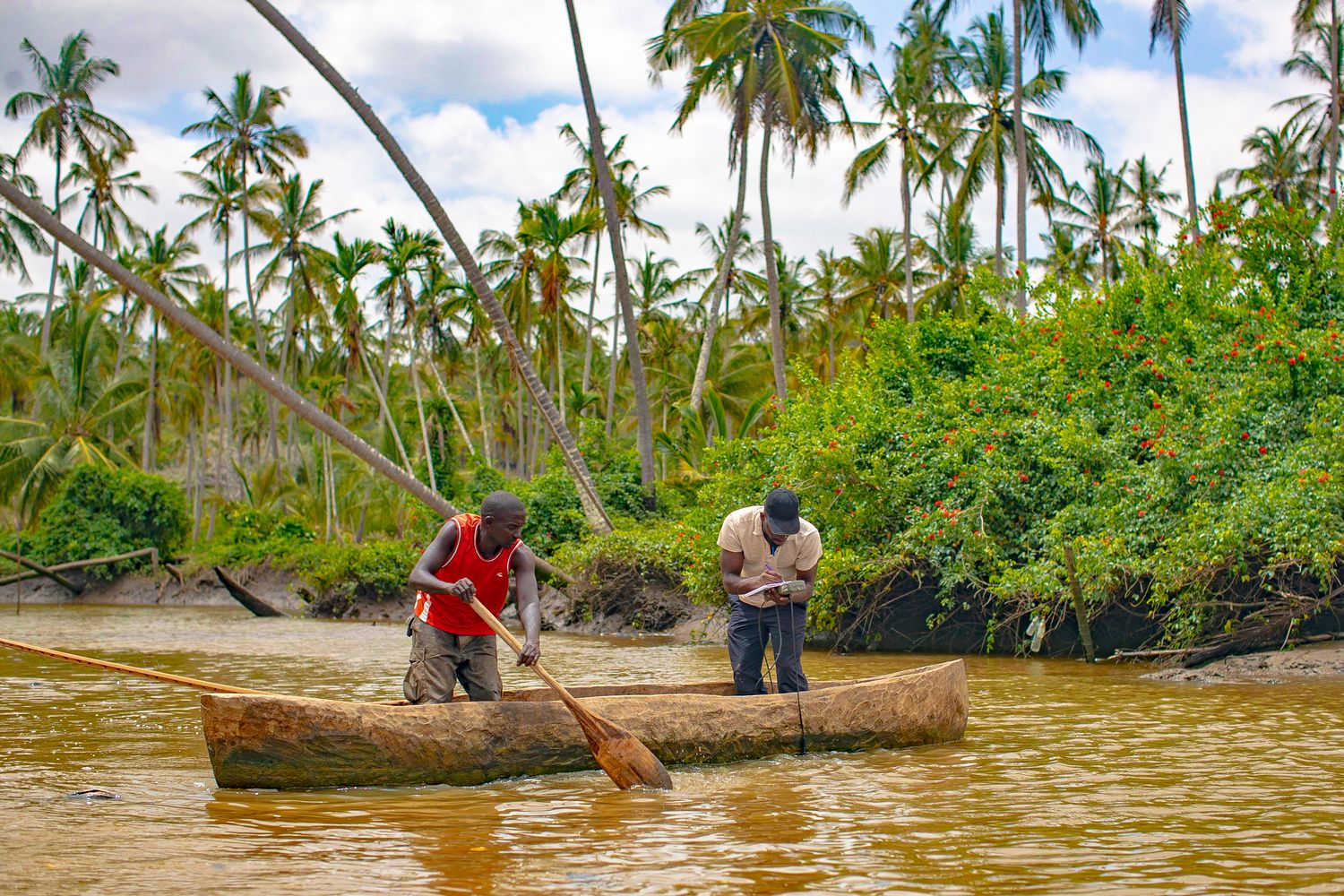
fisherman & scientist
Research
The photograph captures a researcher measuring freshwater salinity, part of a study on eel habitats along the Pangani River. Against the backdrop of flowing water and lush vegetation, the scene highlights the meticulous dedication required in scientific research. Each measurement contributes to understanding the ecological dynamics supporting the eel population. Through this work, insights into eel behavior, habitat preferences, and survival strategies are sought amidst environmental changes.
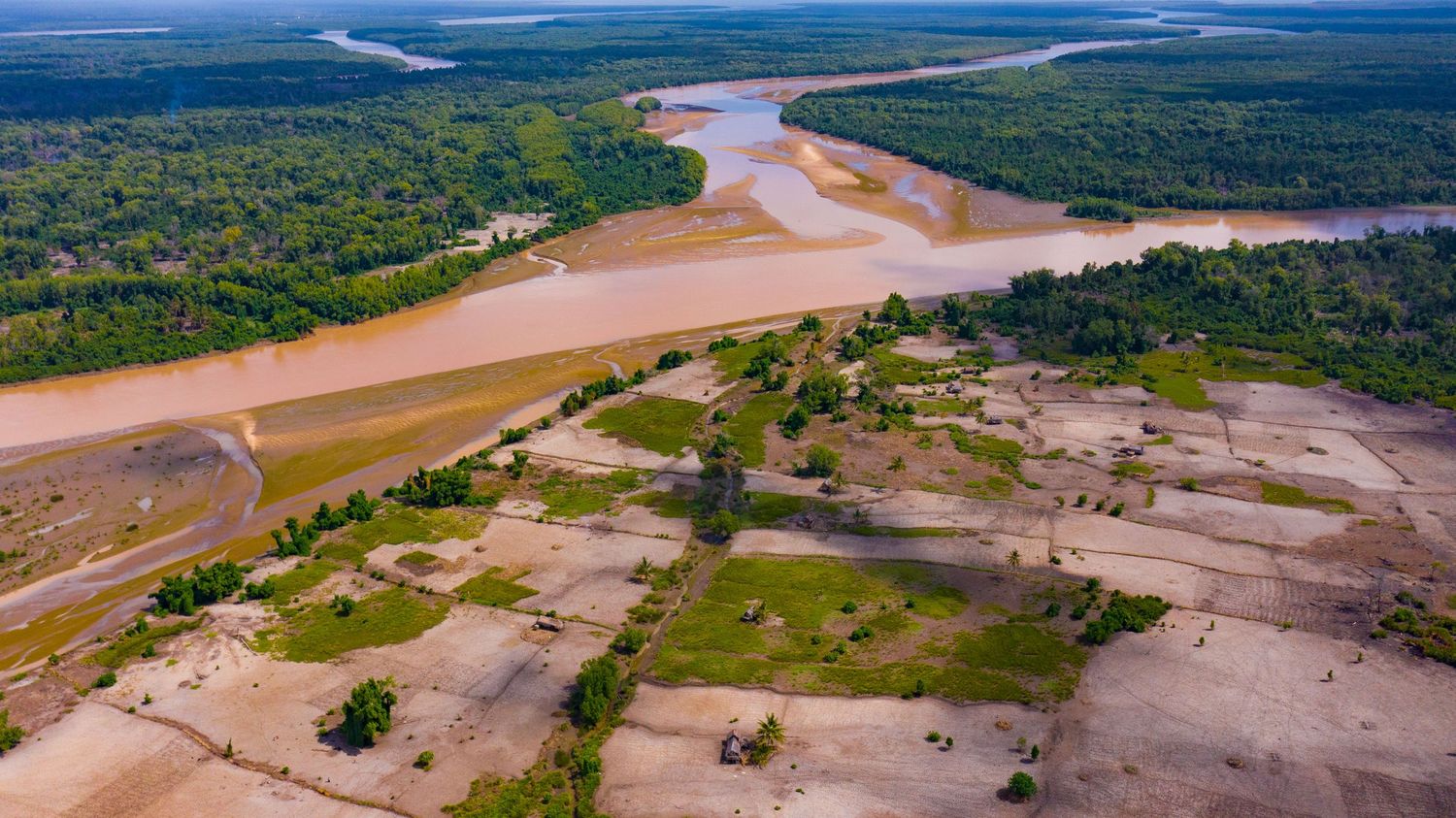
RUFIJI RIVER
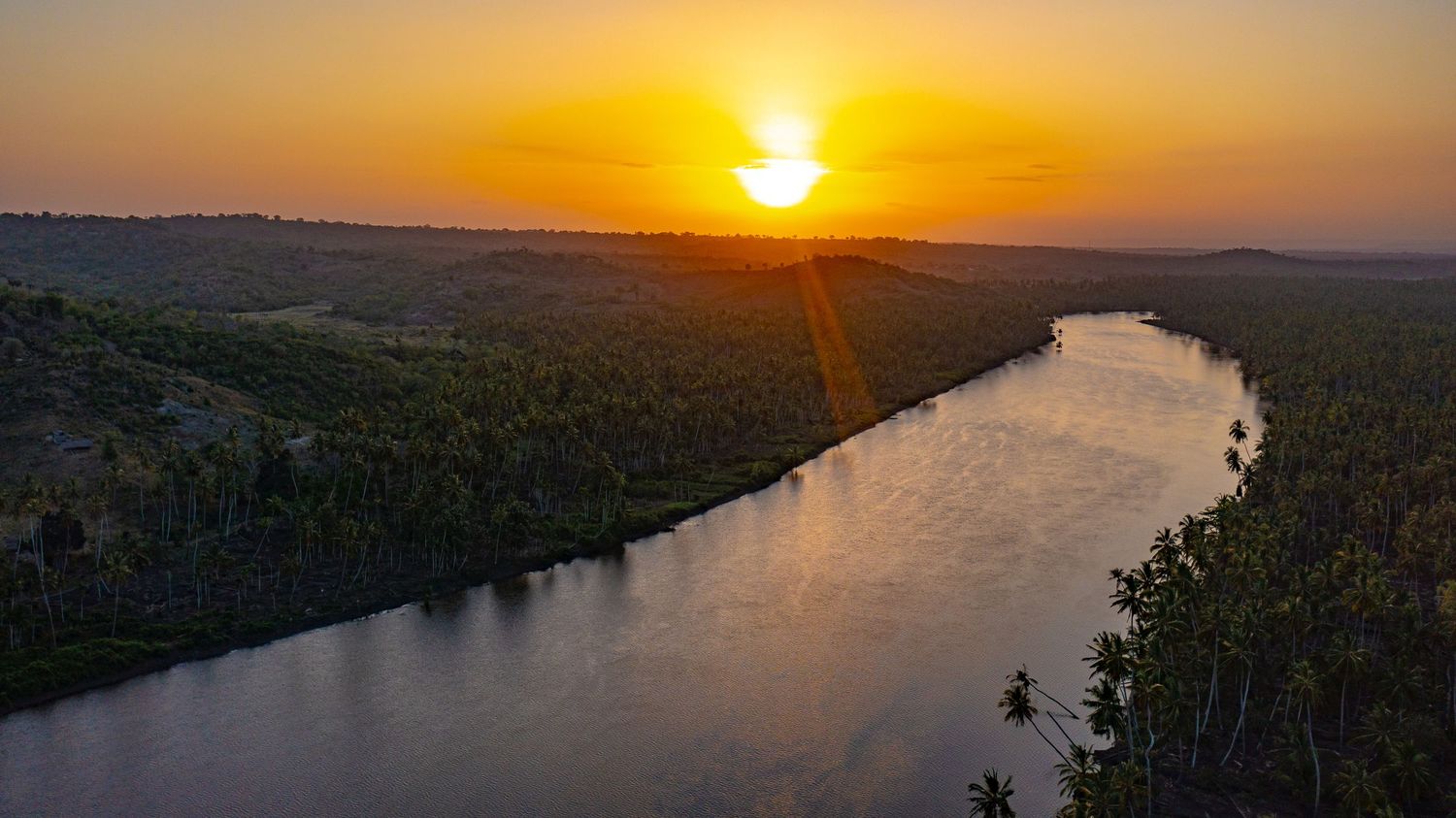
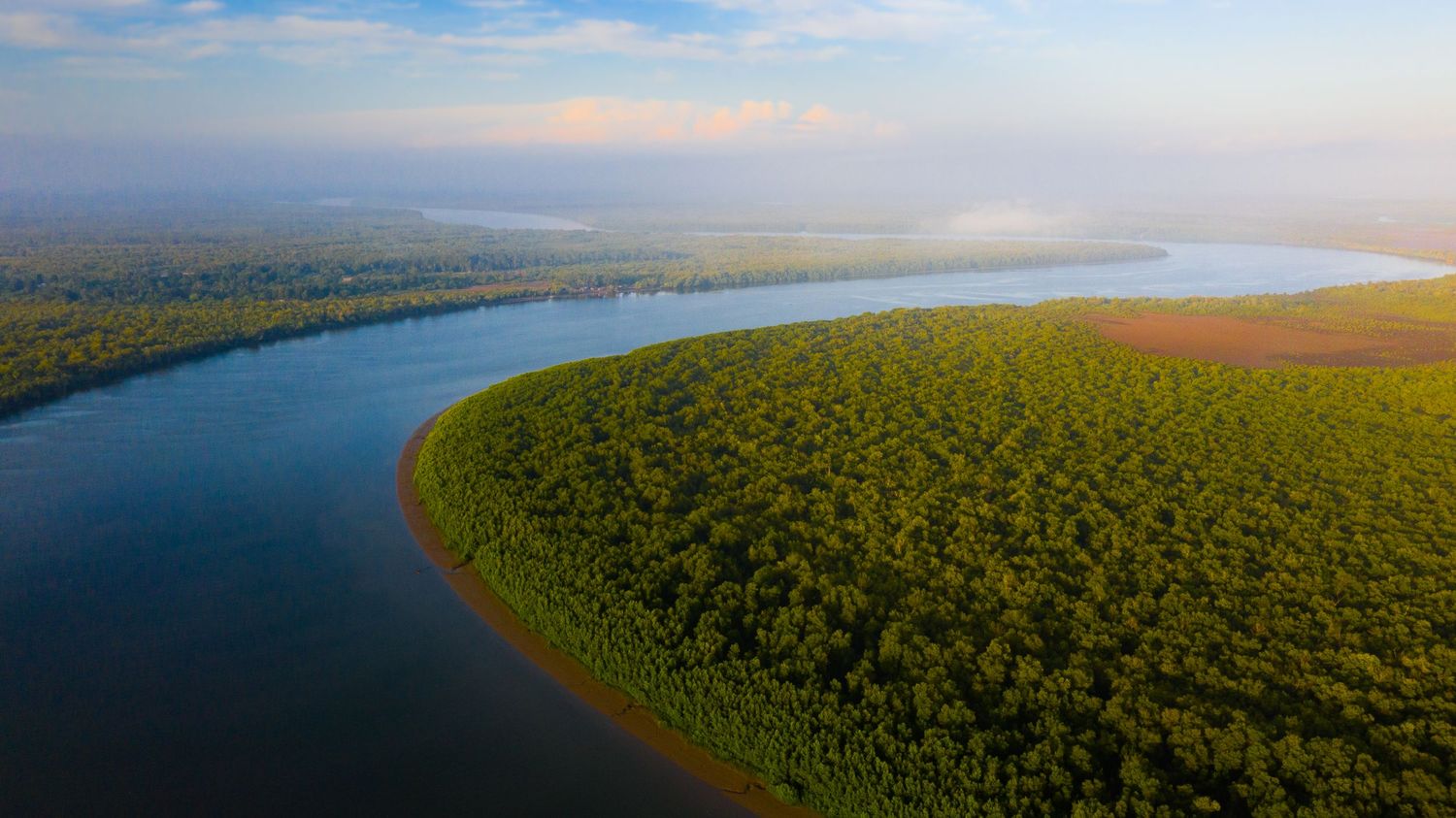
BETWEEN THE RUFIJI DELTA
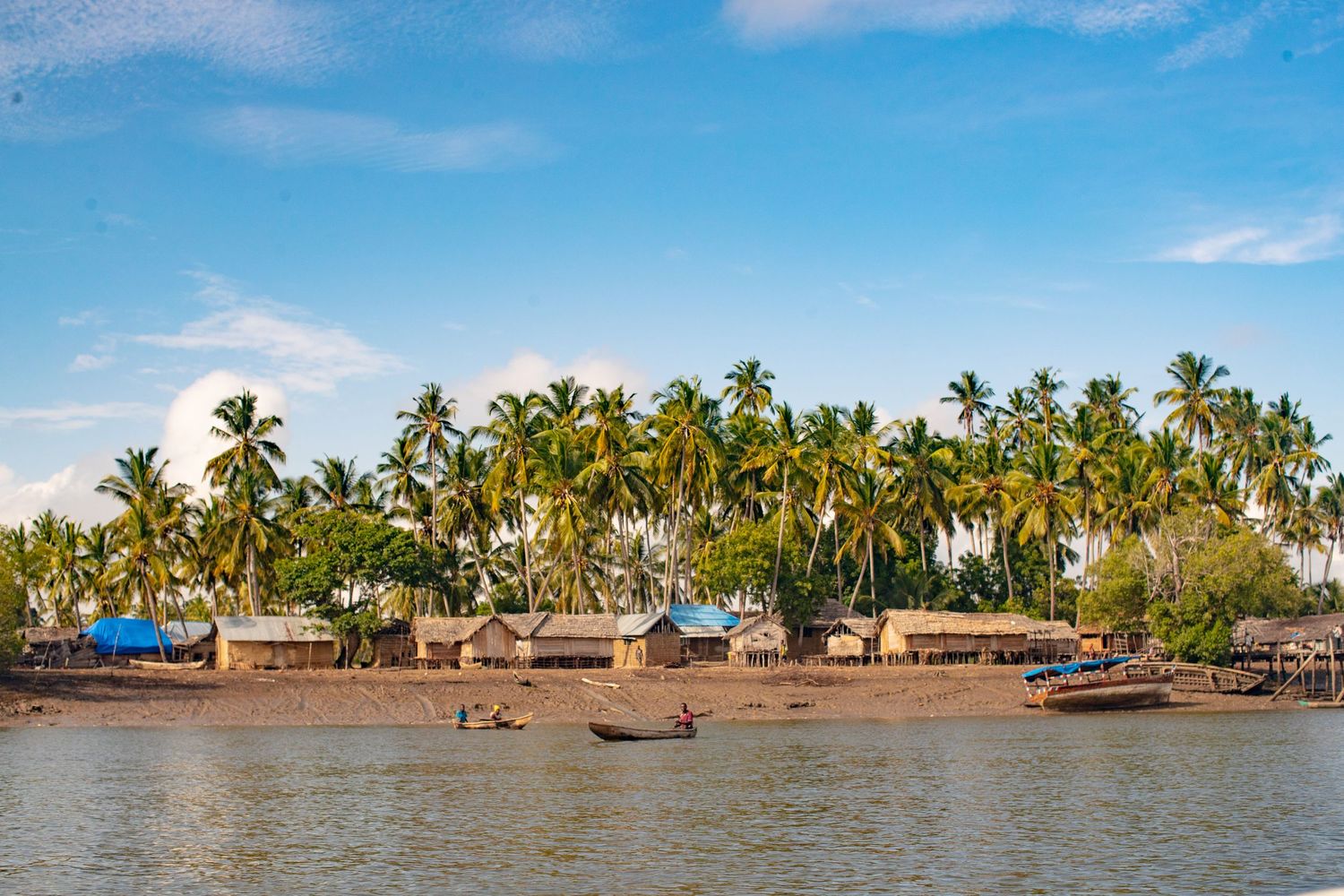
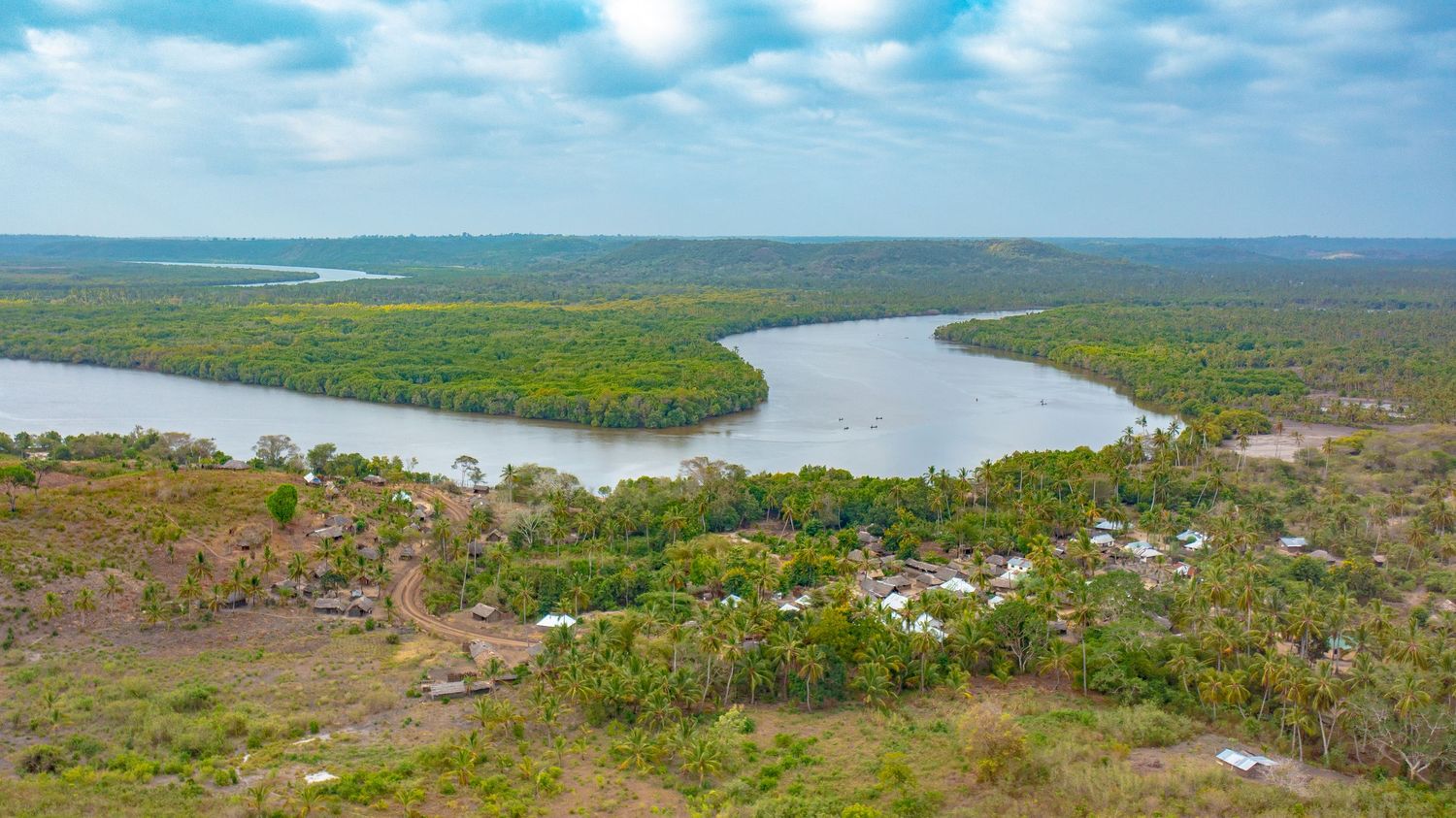
This image shows how human activities destroy the Rufiji delta, and the siltation directly affects the habitat preference for survival. such threats against not only the eels but the whole ecosystem
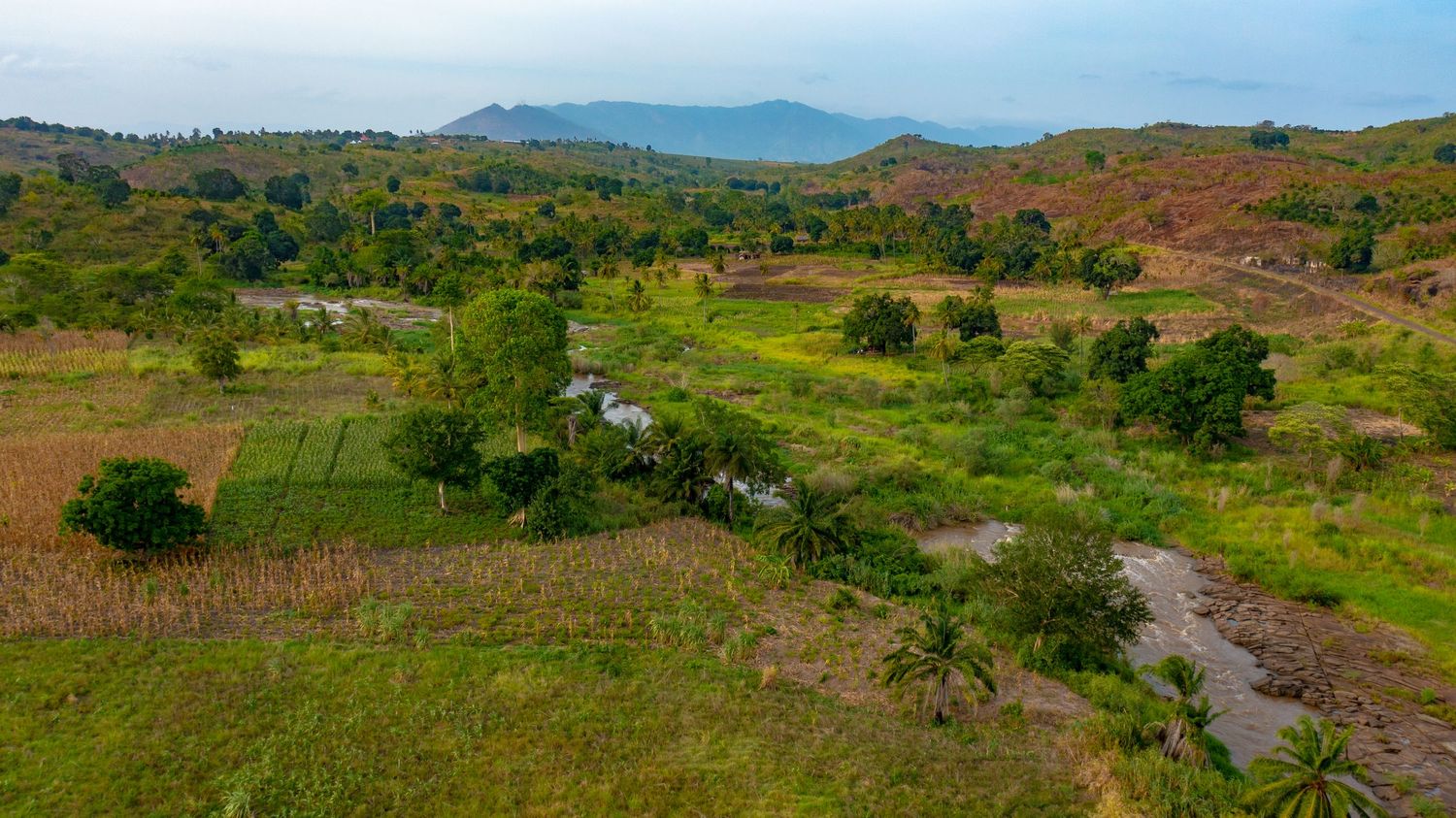
PANGANI RIVER
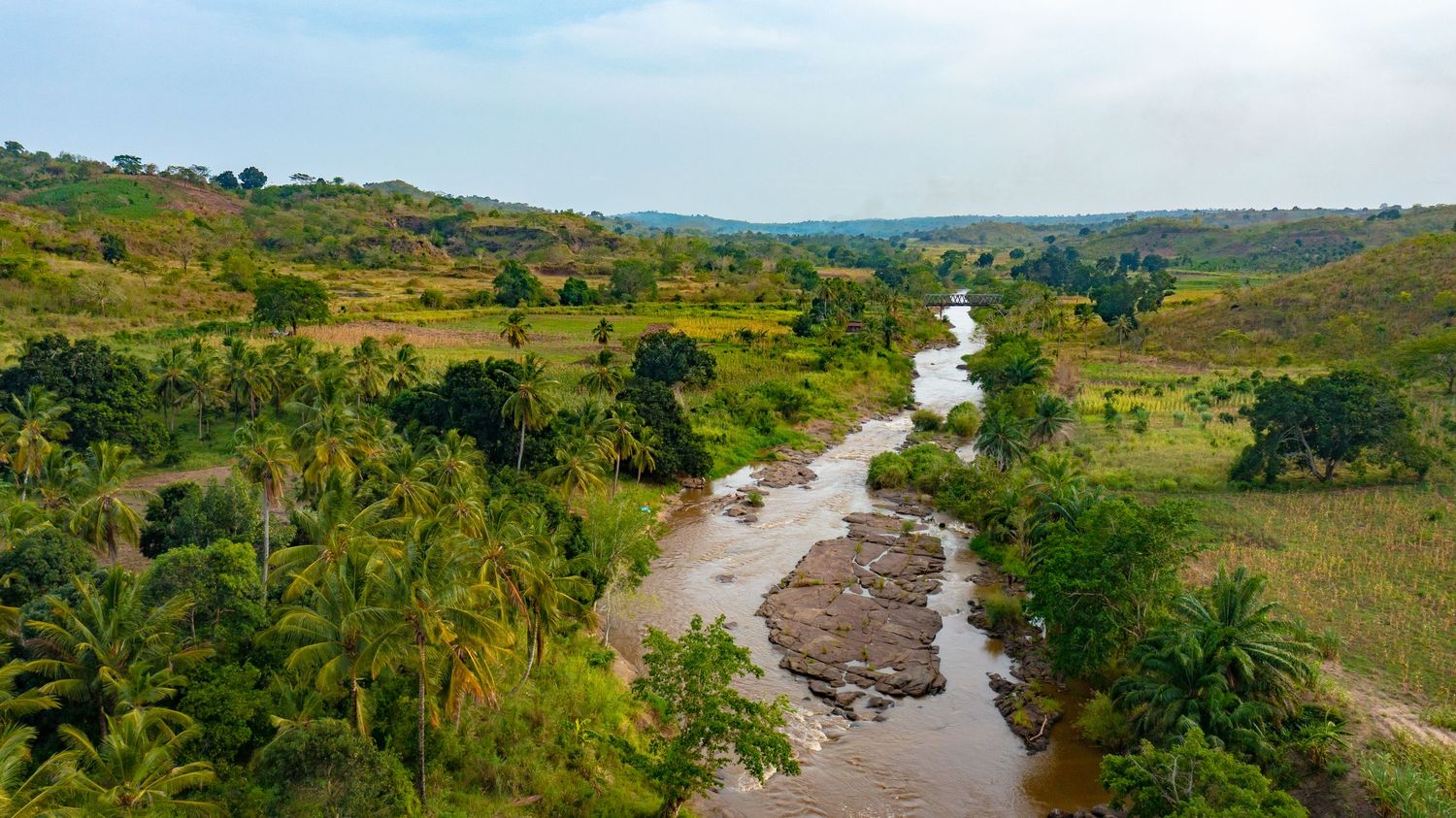
UPPER RIVER STREAMS
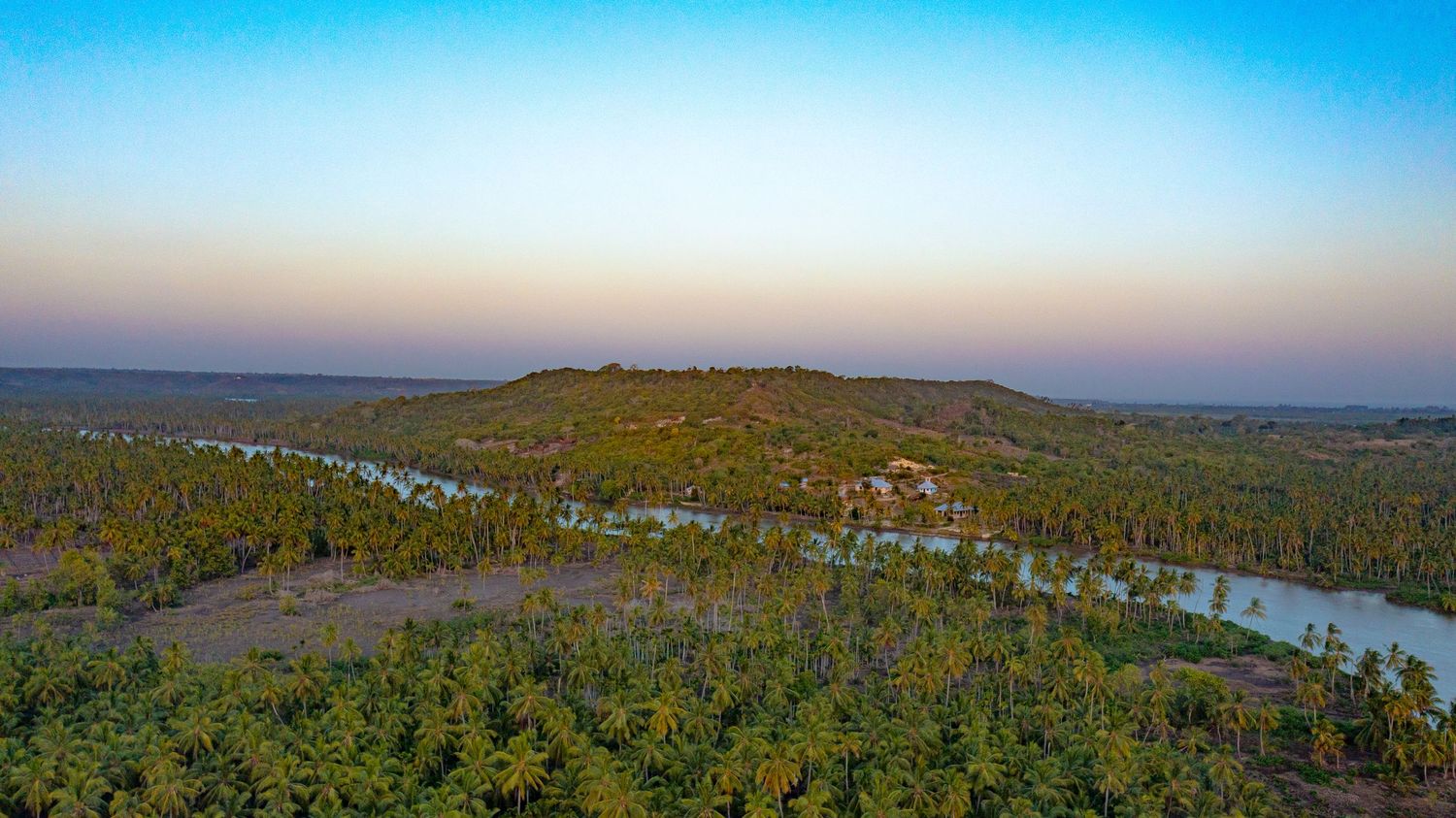
In Pangani, upper streams, the habitat preference for eels is being raided by farming activities. this has been a great threat not for the expansion of the river but increased loosing of buffer zone between the river and human settlements
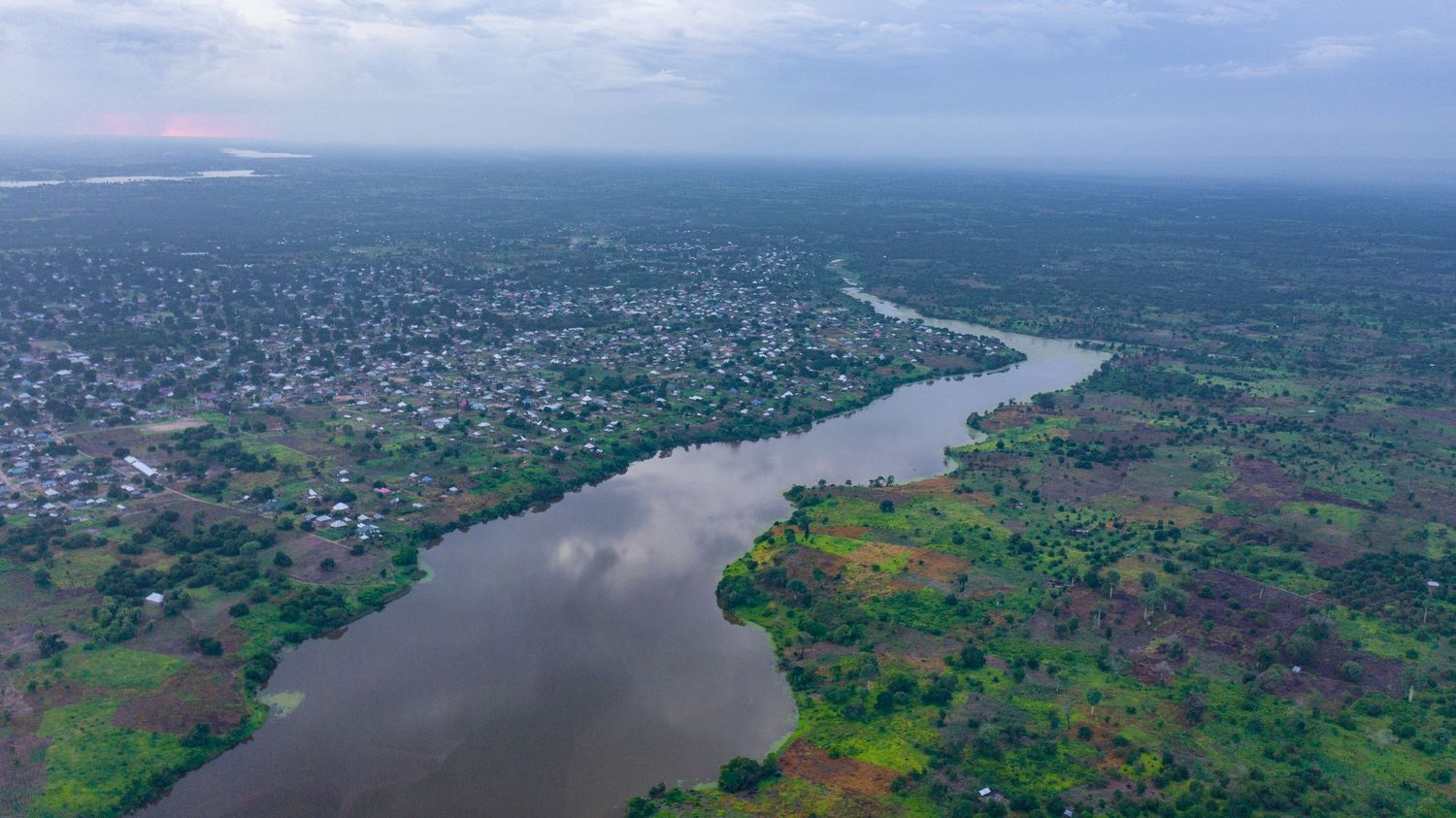
SATELITE LAKE
R U F I J I 📍
rufiji
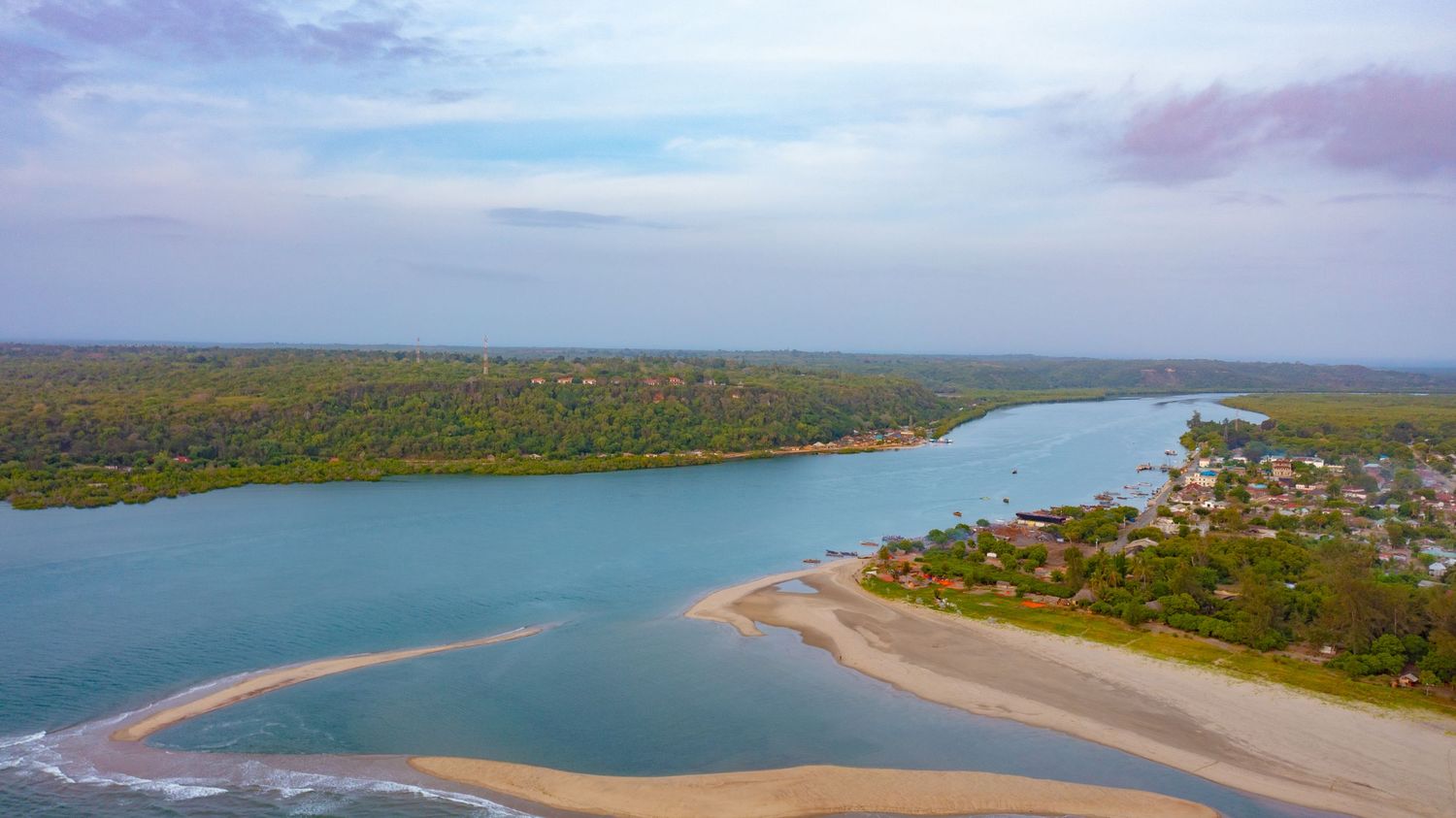
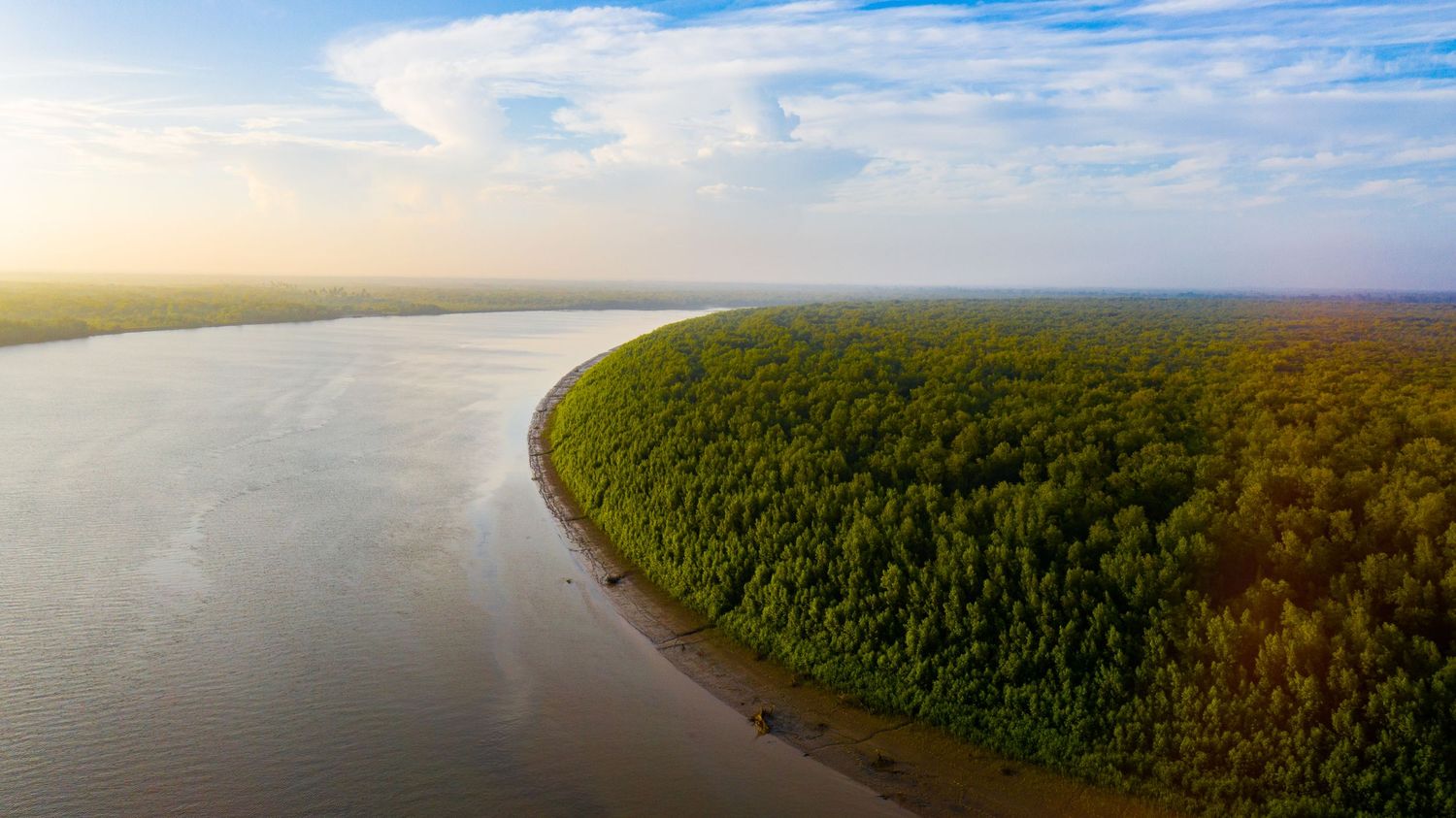
How satellite lakes have been affected by human settlement: since satellite lakes provide a refuge for eels, their population in lakes has declined, making it very hard for them to survive in small lakes
Eels play a crucial role in maintaining the ecological balance of lakes. Their decline can have cascading effects on the entire lake ecosystem, impacting the food chain and biodiversity. Additionally, eels are often considered indicator species, meaning their presence or absence can reflect the overall health of the lake environment
LIFE BELOW ZERO

Overcoming High-Altitude Sickness:
Reaching Kilimanjaro's Summit Against the Odds
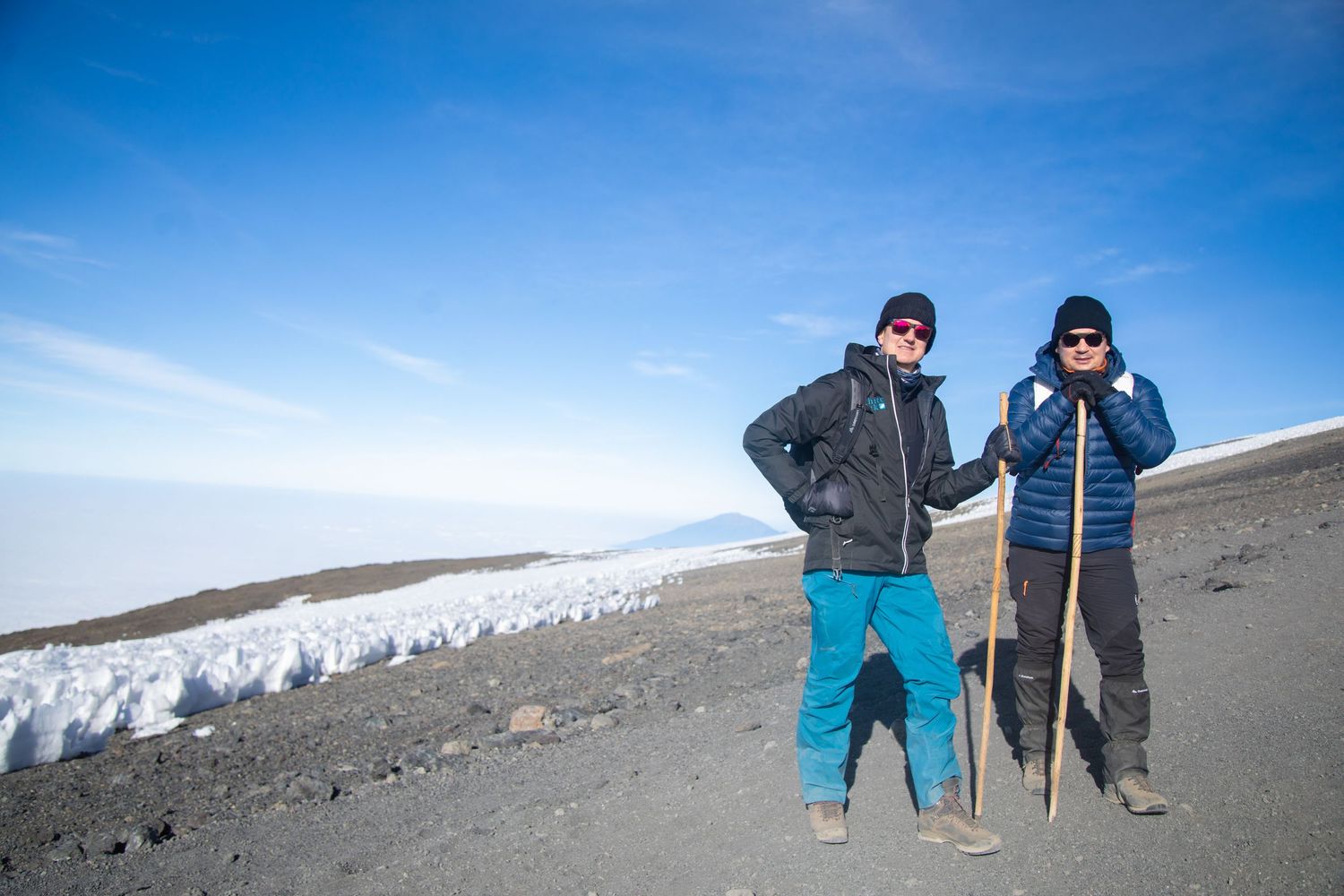
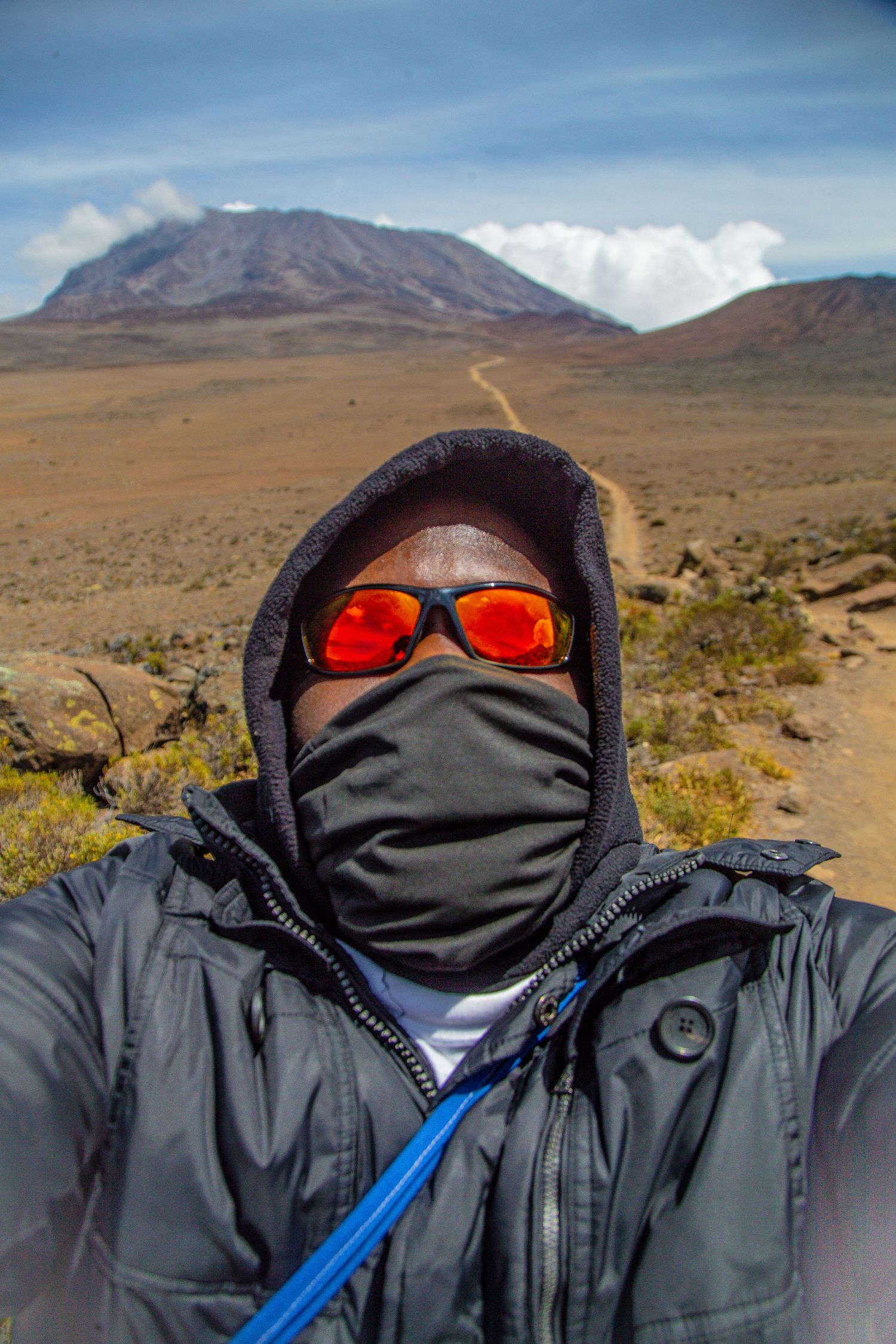
Climbing Mount Kilimanjaro tested my limits, with high-altitude sickness making every step harder. Despite headaches and dizziness, I pushed through, pacing myself and focusing on each breath. Ultimately, I reached the summit, camera in hand, capturing the unforgettable moment.
RAIN FOREST ZONE
montane vegetation
WILD FLOWERING
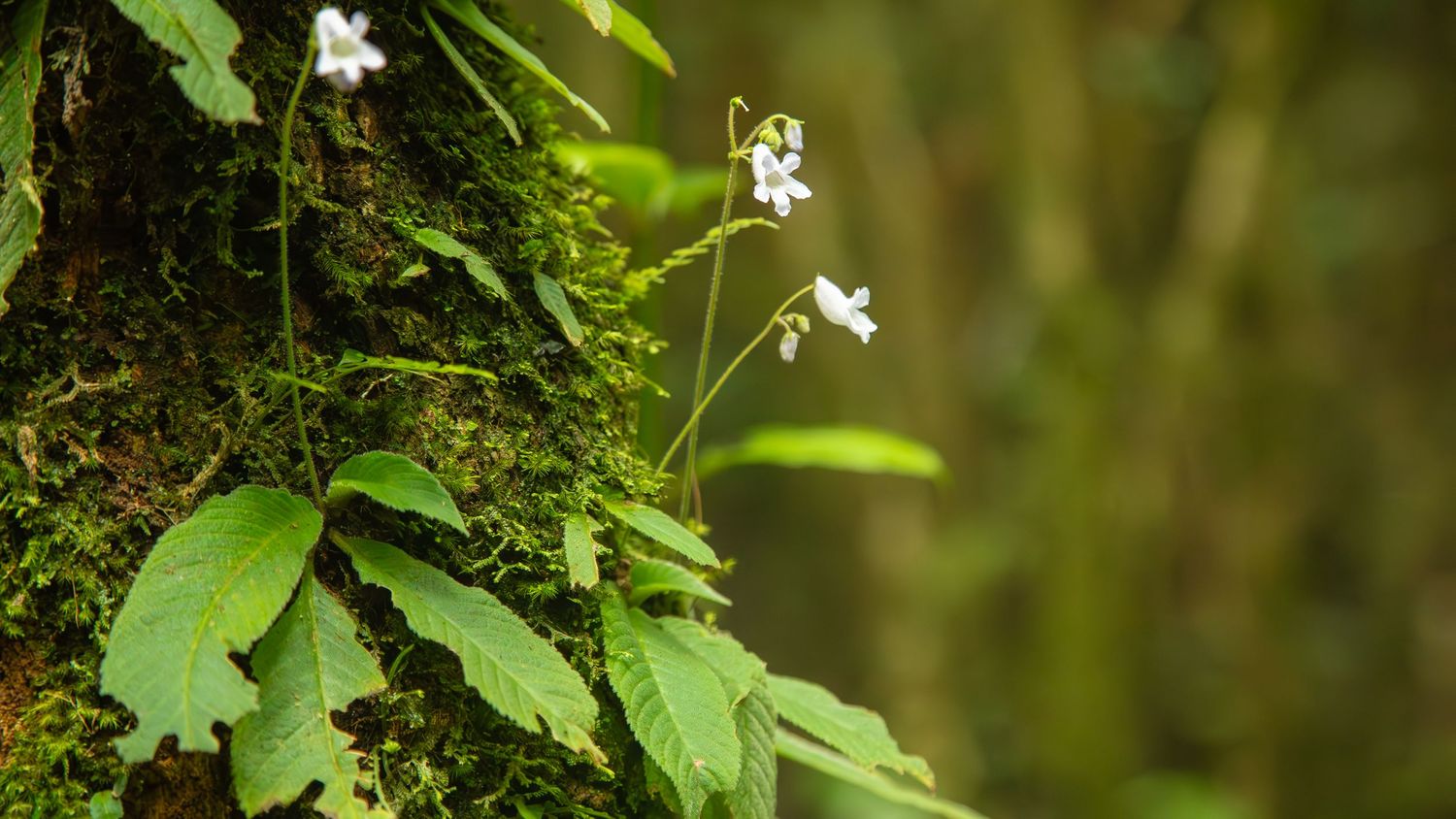
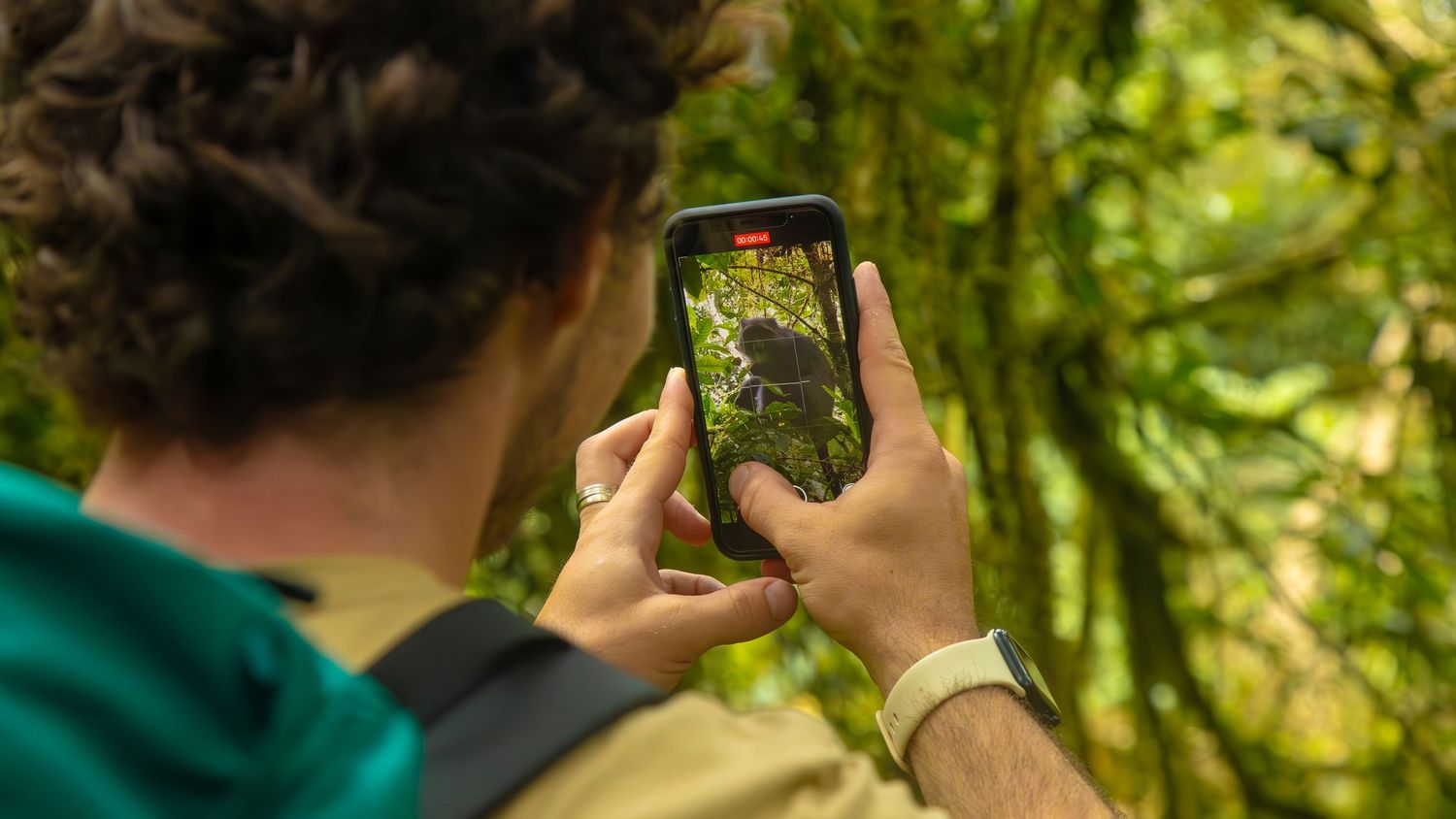
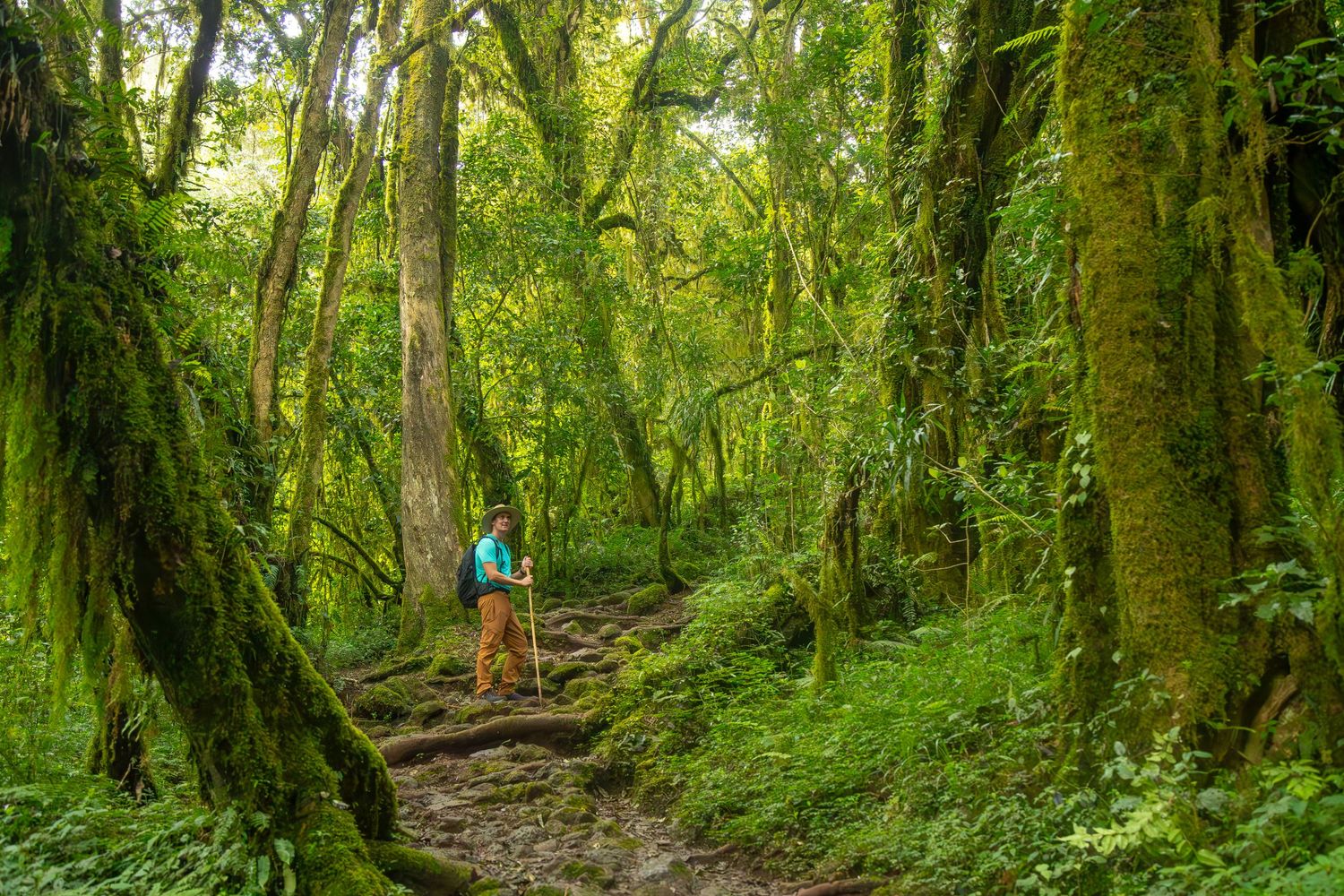
We started our climb in Kilimanjaro's lush rainforest, surrounded by, ferns, and wildflowers, contrasting with the barren heights above
rain forest
1 / 3
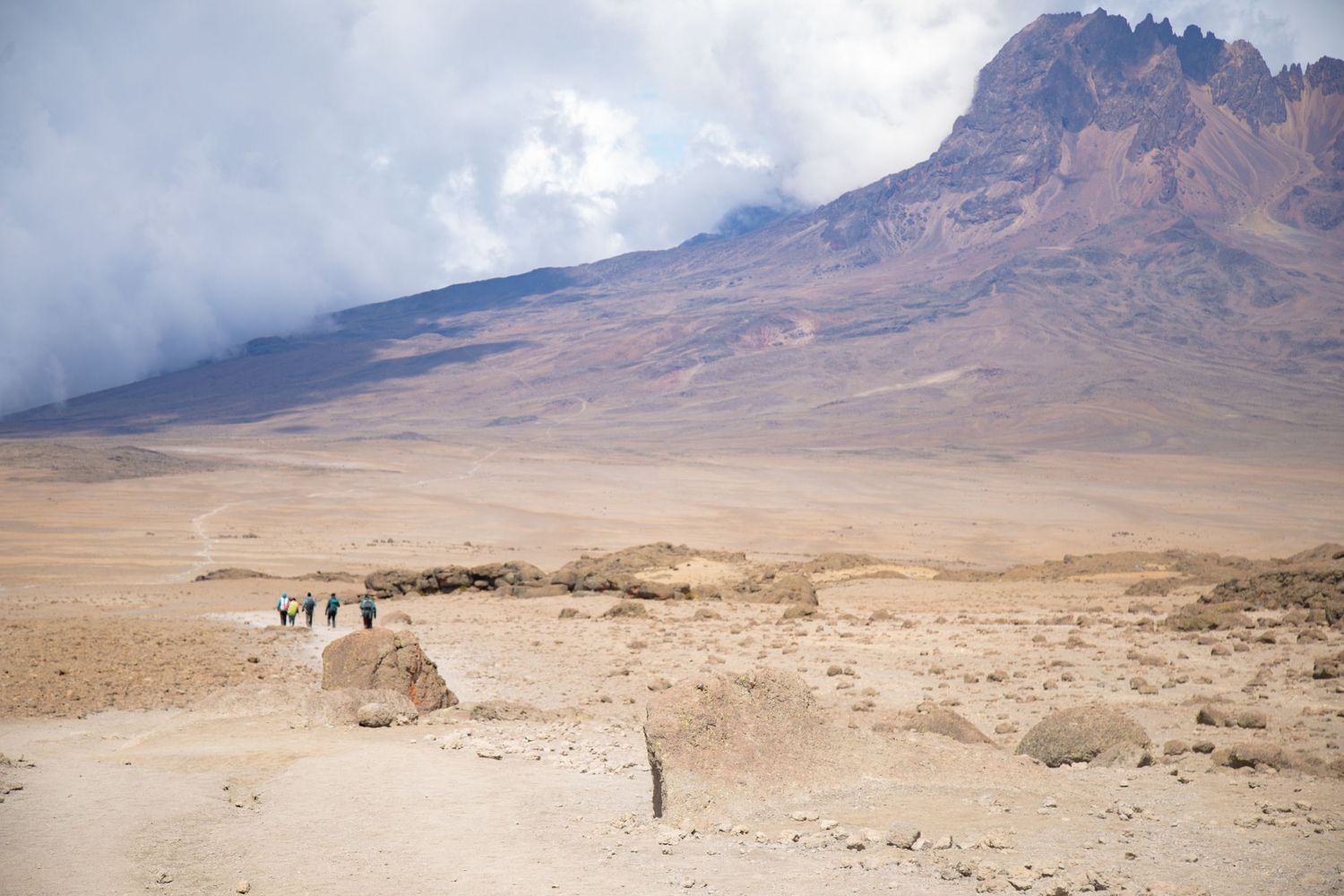
ALPINE DESERT ZONE
MONTANE DESERT
LIVING DESERT
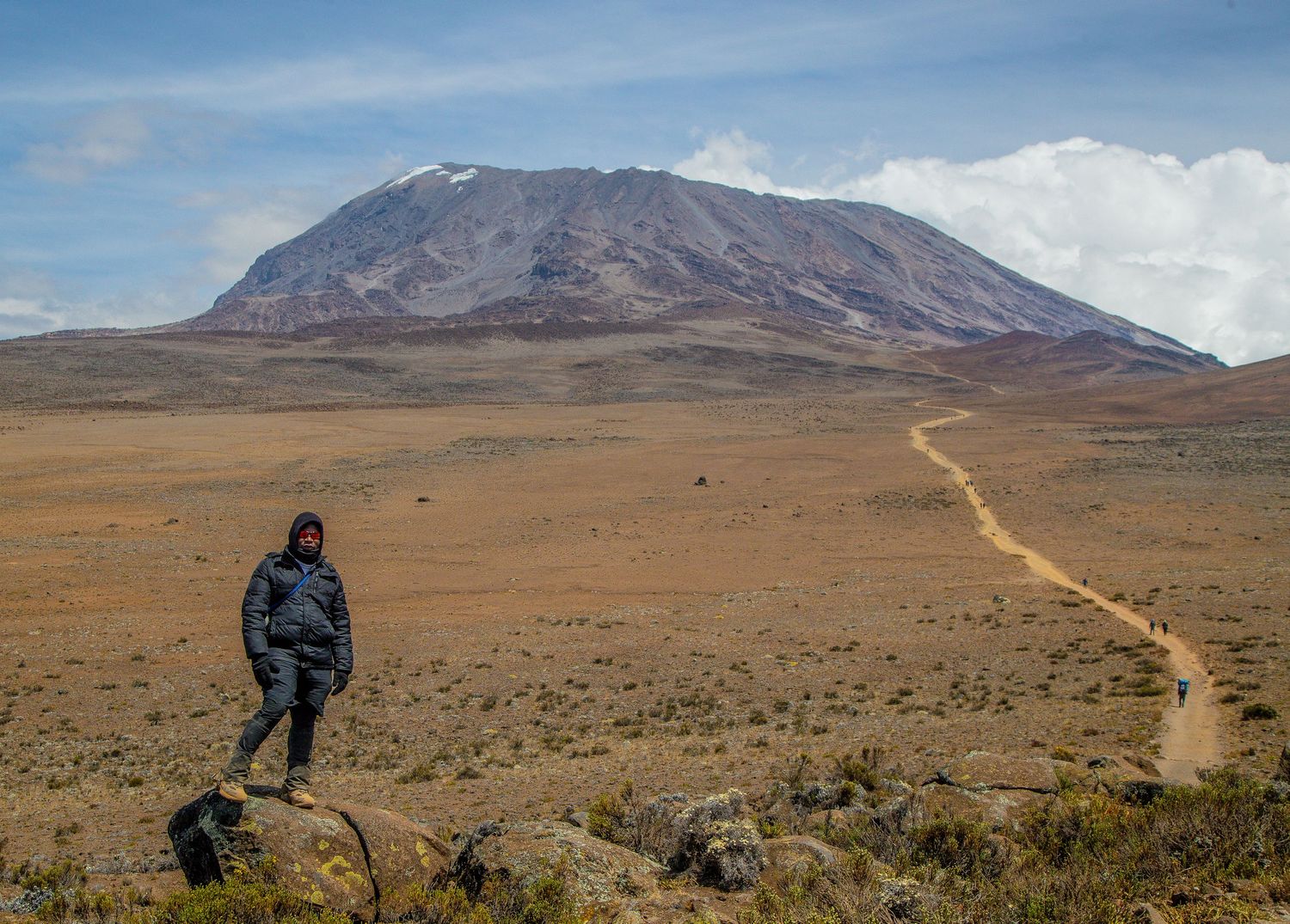
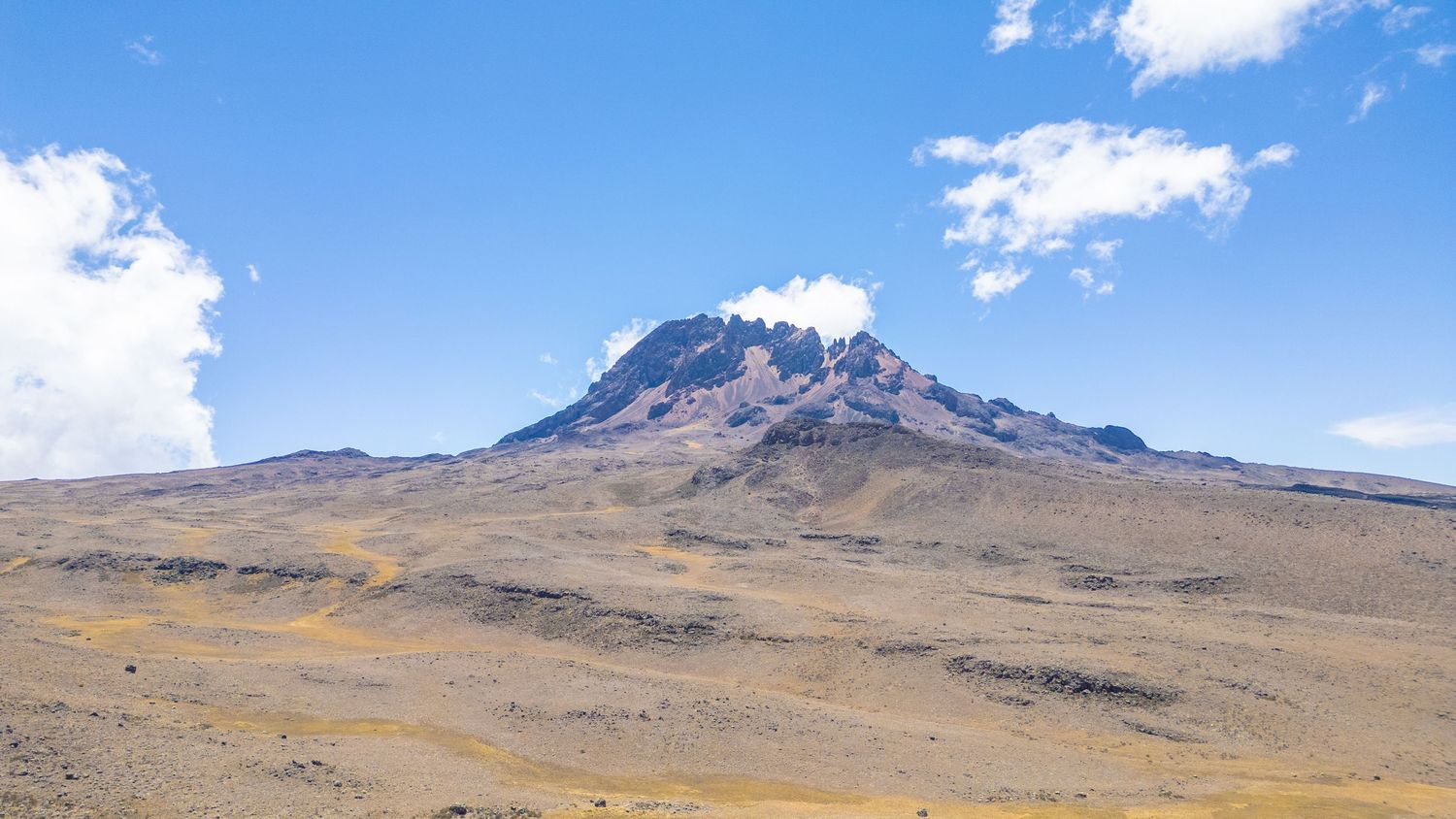
visited the enchanting rainforest and soon found ourselves in a stark desert landscape. The transition from lush greenery to arid terrain showcased Kilimanjaro's incredible diversity and rugged beauty
It was dry and sunny
1 / 3
GLACIER ZONE
ICE BERGS LANDSCAPES
AFRICA'S HIGHEST POINT
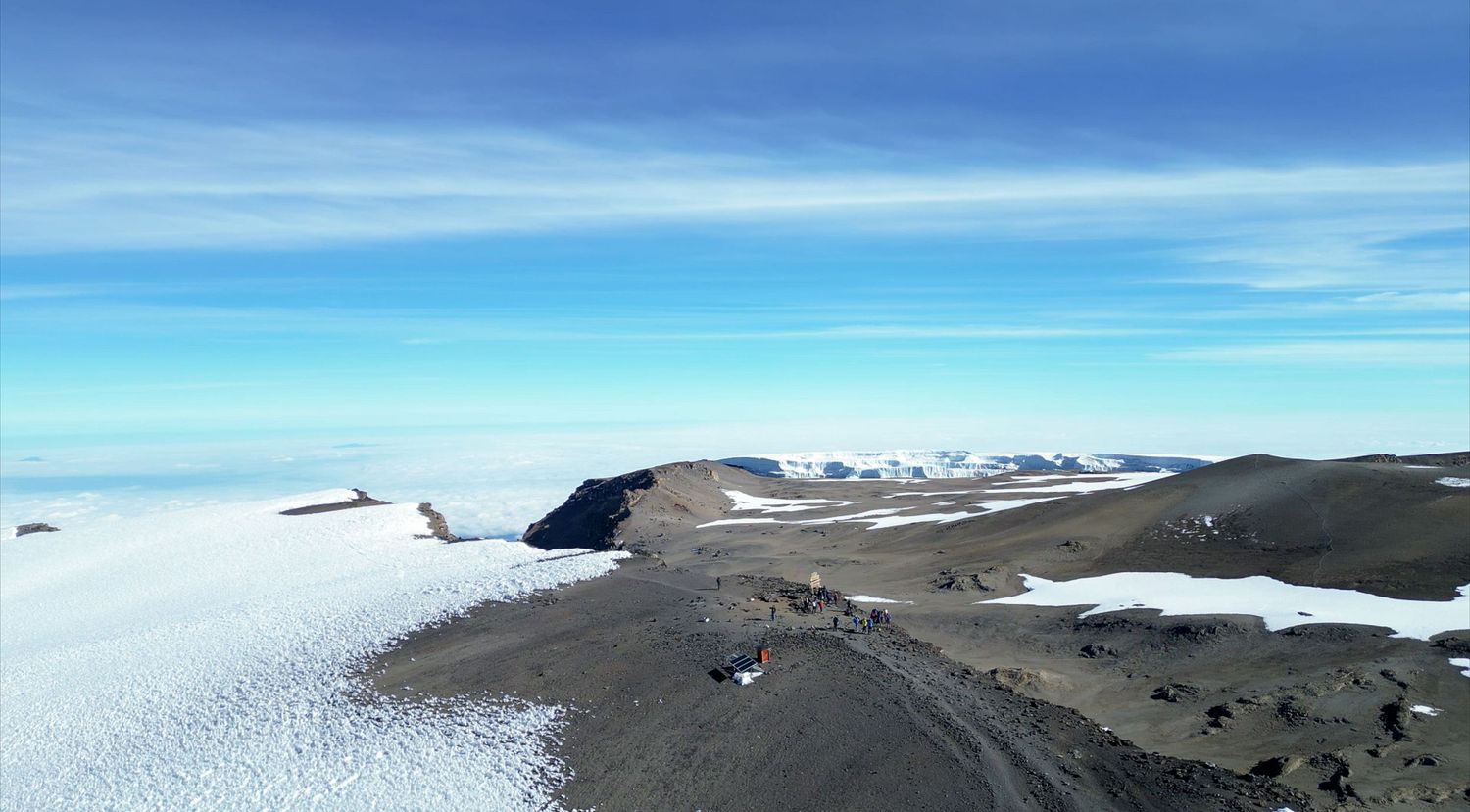
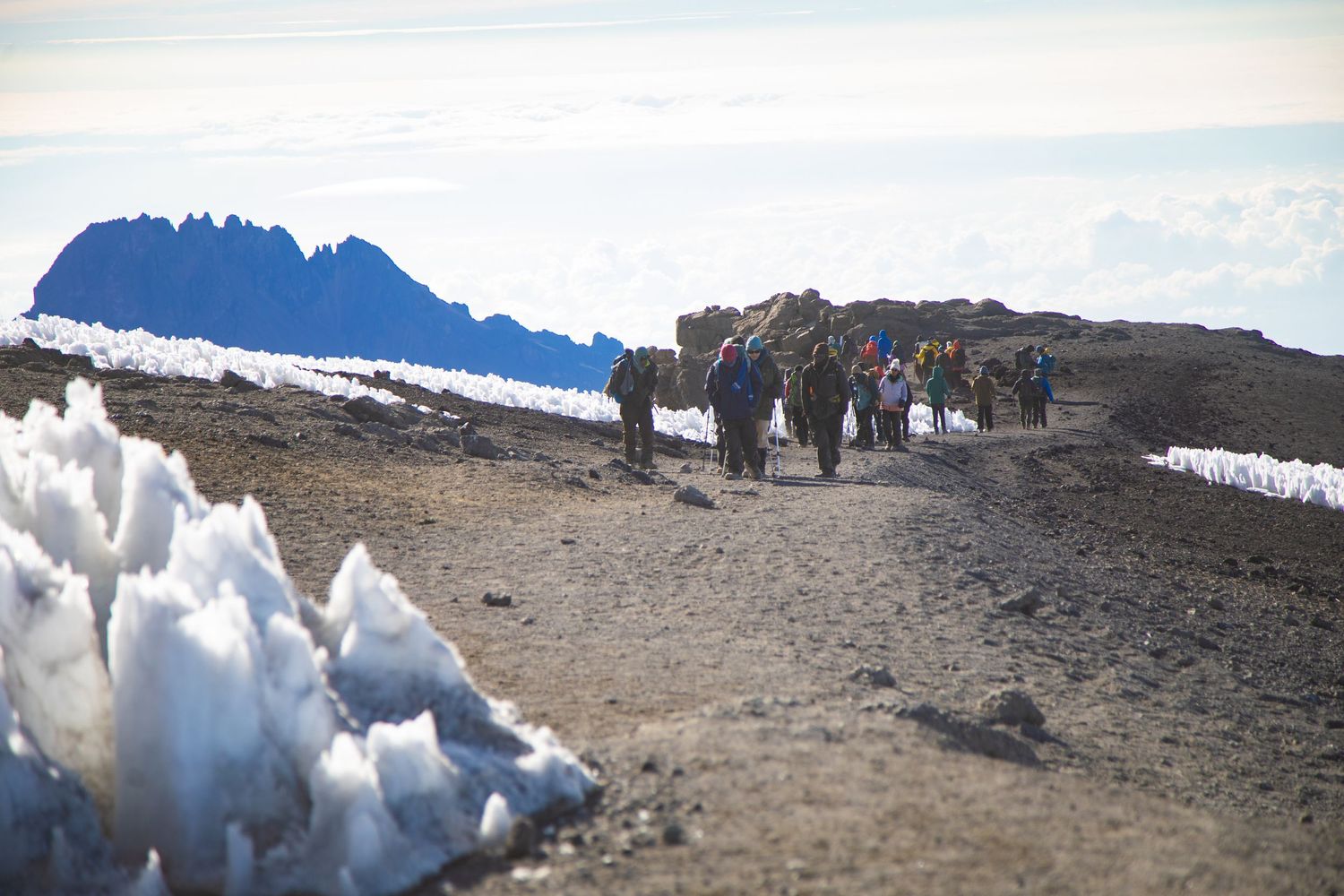
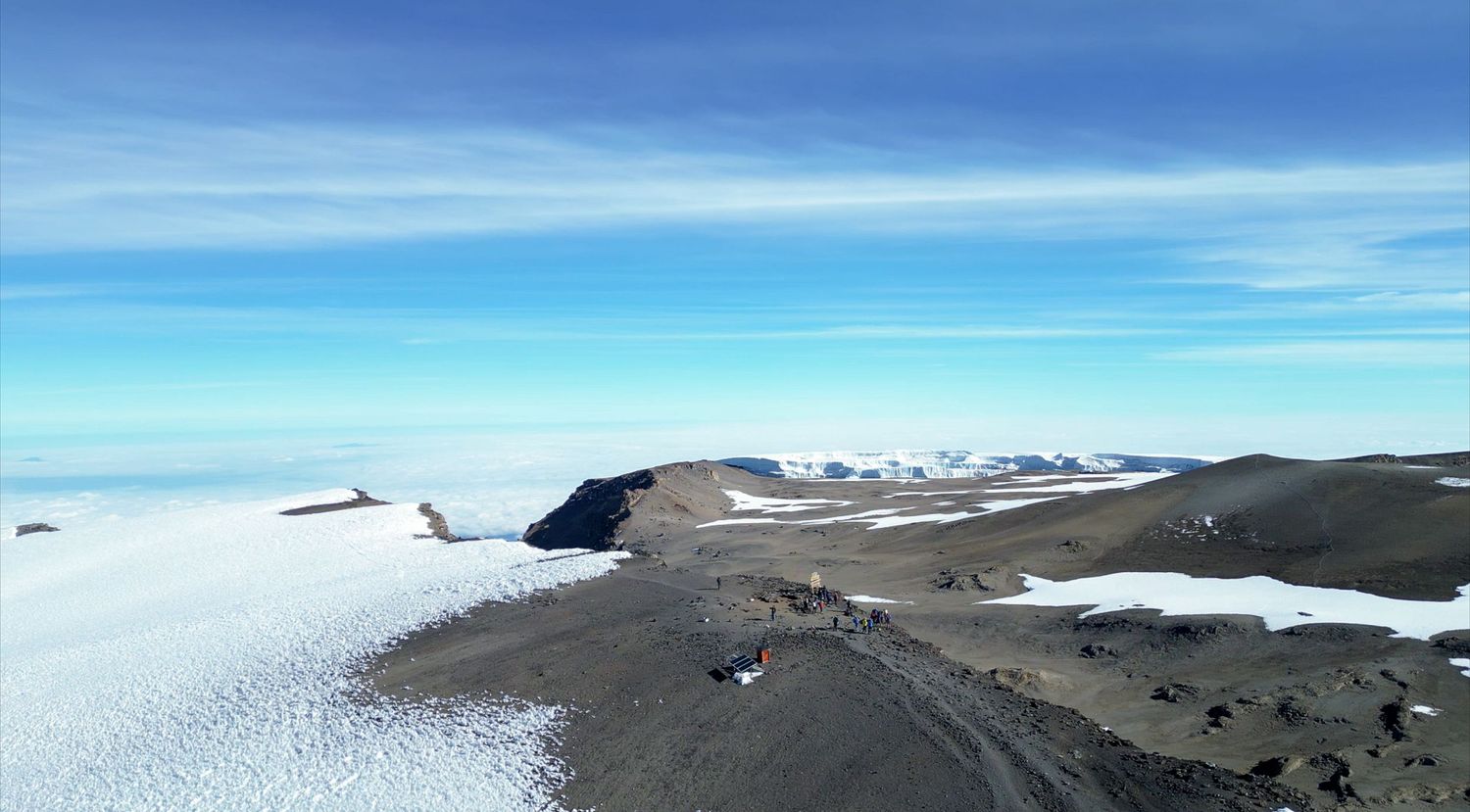
A vast expanse of ice and snow, featuring towering formations, crevasses, and a crisp, cold atmosphere, all reflecting stunning blue and white hues against majestic mountains
glaciers and icy formations
1 / 3